Posted on

AROUND THE WORLD IN COFFEE: ETHIOPIA

AROUND THE WORLD IN COFFEE: ETHIOPIA

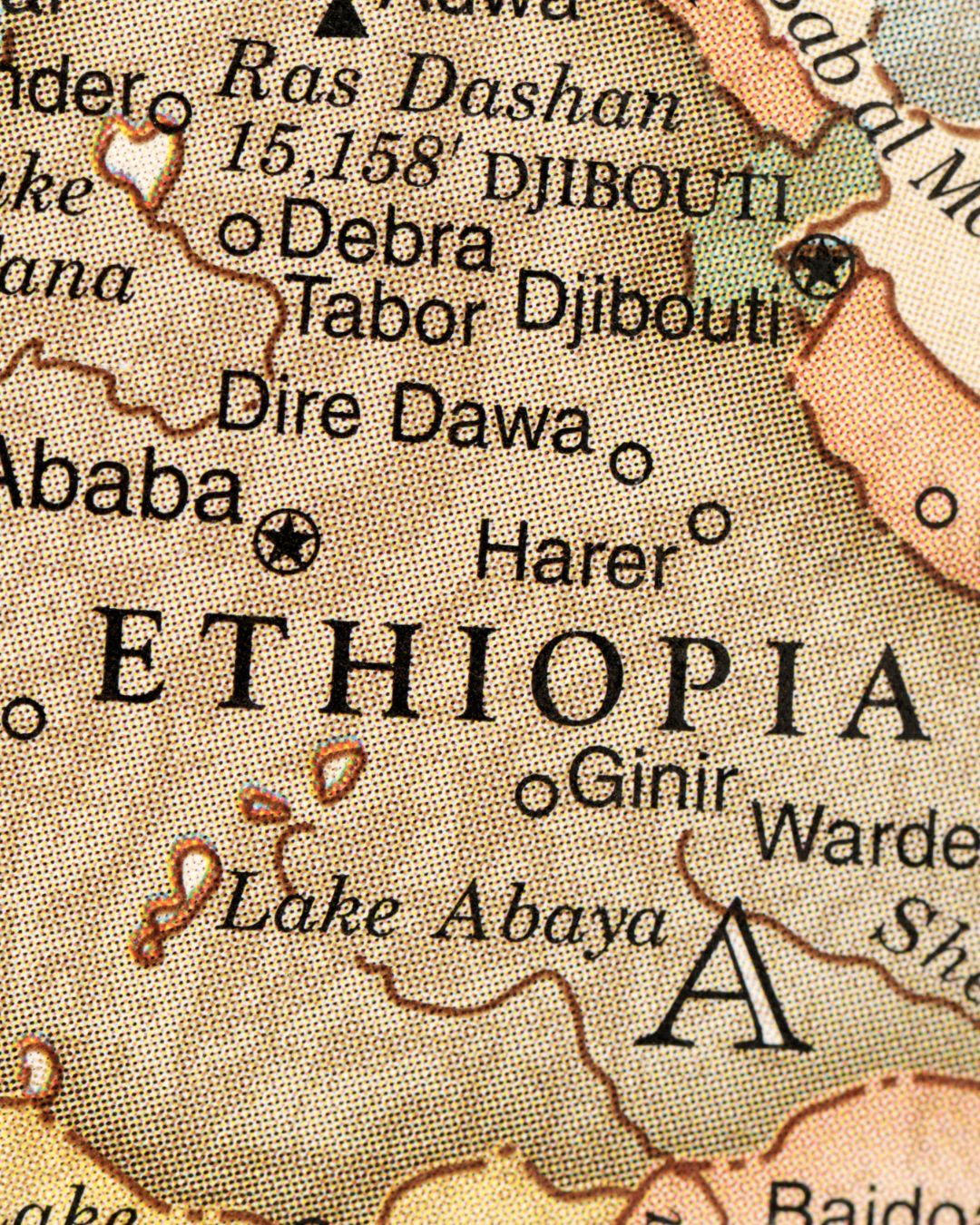
Every cup of coffee has a story, but some stories run deeper than others. Ethiopia holds a unique place in the world of coffee. It is widely recognized as the country where coffee arabica originated, and today it remains one of the most important producers of high quality Arabica coffee globally. For our Around the World in Coffee series, we’re starting where coffee itself began. 

Widely recognized as the birthplace of coffee, Ethiopia is where coffee is more than a beverage, it’s a part of daily life, culture, and tradition. Legend traces coffee’s discovery to a goat herder named Kaldi, who noticed his goats were unusually energetic after eating cherries from a particular tree. While the story is debated to be folklore, the impact of Ethiopian coffee is objectively real.

Coffee grows wild in parts of southwestern Ethiopia, particularly in forested regions where Arabica plants have existed for centuries. Unlike many coffee-producing countries that rely on a limited number of cultivated varieties, Ethiopia is home to thousands of genetically distinct coffee types. This diversity is one reason Ethiopian coffees are known for their wide range of flavor profiles.

Coffee production in Ethiopia is also deeply tied to daily life and the economy. A significant portion of the population depends on coffee for their livelihood, and the country is one of Africa’s largest coffee exporters. Most Ethiopian coffee is grown by small holder farmers, often on plots of land measuring just a few acres.

Ethiopia’s coffee is typically categorized by growing region rather than farm or estate. Well known regions include Yiracheffe, Sidamo, and Harrar, each with distinct climate conditions and processing traditions. 

Many Ethiopian coffees are washed (wet processed), which tends to produce clean, bright cups with pronounced acidity. Natural (dry processed) Ethiopian coffees are also common and are known for fuller body and fruit forward characteristics. Across these styles, Ethiopian coffees are often associated with floral aromatics, citrus notes, and complex fruit flavors, traits that come directly from the country’s native Arabica varieties and growing conditions. 

Coffee in Ethiopia is closely tied to social and cultural life, most notably through the traditional coffee ceremony. The ceremony involves roasting green coffee beans over an open flame, grinding them by hand, and brewing the coffee in a clay pot known as a jebena. It is typically performed in the presence of guests and can take place daily in  homes and communities. The ceremony emphasizes hospitality, shared time, and the importance of coffee as more than a beverage, reflecting its long standing role in Ethiopian society. 

Our Organic Ethiopian Single Origin Coffee at Camano Island Coffee Roasters is dry processed, a method commonly used in Ethiopia that allows the coffee cherry to dry around the bean before removal. This process contributes to the fruit forward characteristics often associated with Ethiopian coffees. 

This coffee features a strong blueberry aroma and flavor notes of blueberry, maple syrup, and brown sugar, with a medium roast and medium body. Dry processing emphasizes sweetness and depth, while the medium roast allows these flavors to remain clear and balanced rather than overshadowed by roast intensity.

As part of our Around the World in Coffee series, our Ethiopian Reserve represents both the historical and ongoing importance of Ethiopia in the coffee world. It offers a direct connection to the place where Arabica coffee originated and continues to influence how coffee is grown and enjoyed today. 

You can explore our Ethiopian Reserve coffee here. 

Posted on Leave a comment

Coffee Cookies: Flakey Jake’s Chocolate Mocha Chip

Delicious Coffee Cookies – Perfect for dipping!

Who is Flakey Jake? We may never know. He is known, however, for these amazing coffee cookies!

We enjoyed a batch of these delicious mocha coffee cookies at the roasting facility yesterday (and some of us, at home). Not only are these cookies great on their own, they’re also great when dipped in a cup of coffee. Personally, I french pressed some Ethiopia Coffee and used these coffee cookies for dipping. It was a delicious, mouth-watering experience. I even ate a second but stopped myself short of a third and held off well for about an hour before giving in — again!

Scroll past the picture for the recipe!

Flakey Jake's Chocolate Mocha Coffee Cookies

Here’s the recipe.

Ingredients:

  • 1.5 cups margarine/butter (I recommend butter!)
  • 2 cups granulated sugar
  • 1 cup brown sugar
  • 4 eggs
  • 1-2 tsp. vanilla
  • 1, 12oz. chocolate chips
  • 4 cups flour
  • 1 Tbsp. baking soda
  • 1 tsp. cinnamon
  • 2 Tbsp. cocoa
  • 4 Tbsp. rolled oats
  • 1 Tbsp. fine-ground coffee (we used Brazil medium roast)

Instructions:

  1. Cream butter and sugars.
  2. Add eggs and vanilla.
  3. Combine flour, baking soda, and cinnamon then add to the above creamed mixture.
  4. Blend in cocoa, oats, and coffee.
  5. Stir in chocolate chips.
  6. Cover and chill.
  7. Once chilled, bake at 375?F for 12-15 minutes (depending on size)

Enjoy – and watch you that you’d don’t get too addicted to a combination of these cookies and our great coffee!

By Dan Ericson

Need Great Coffee To Dip Your Coffee Cookies In? Grab a FREE pound below and never run out of coffee again!

Posted on Leave a comment

April’s Coffee of the Month – Guatopia!

dan-blogsig.jpg

Guatemalan Coffee and Ethiopian Coffee = Guatopia

It’s Back!  Last Year we debuted our “Guatopia” for the April coffee of the month and it was a HIT with our prosumers!  So for April, exactly 1 year later, we’ve brought this fun blend back.  Get it while you can for April because when May hits, it disappears until next time!  You can add it to your Coffee Lover’s Club order or you can purchase it as a one time order for yourself or a friend. Click Here to go directly to our website and order some now!

Note: If you’re reading this post after April just order our Guatemalan medium roast coffee and our Ethiopian Reserve coffee. Then blend them together 50/50.

coffee of the month

Bean Notes:

The pleasant blueberry tones of our Ethiopian coffee begin this flavor experience as you take the first sip.  Once your mouth fills with the syrupy body of this blend, you’ll notice a subtle, well-balanced nuttiness and a slight hint of fruity sweetness.  Finally, you’ll enjoy the slight citrus note in the finish, which will leave you longing for more

Roast Notes:

This Guatemala coffee is slightly darker than our other medium roasts, and on our scale of roasting, it rates just below a dark roast.  This Ethiopia coffee, on the other hand, is more of a medium roast coffee or light roast coffee. The differences in the two roasts are what make this one of the best coffees in seattle.

Country Notes:

coffee of the month

Our wonderful Trapichitos Guatemalan coffee has more than a great flavor to it. It’s the first coffee CICR has carried that has a direct connection to our relationship with Agros. Check out this link to read about Agros’ work in Trapichitos. The country of Guatemala is bordered by Mexico to the North, Belize to the Northeast, and Honduras and El Salvador to the Southeast. It is known for having some of the most desirable coffees in the Americas with its high elevation coffees being among the hardest beans available (dense coffee is GOOD coffee).

See our Guatemala Medium Roast coffee on our Website: Click Here

coffee of the month

Our Ethiopian coffee is one of our two current reserve coffees. The reserves are harder coffees for us to come by for one reason or another. We offer them because they add a flavor nuance to our coffee offering list that our other coffees miss. The Ethiopian coffee is among my favorite coffee choices as it has an extremely distinct blueberry tone that really gives this coffee a uniqueness all to itself.

See our Ethiopia Reserve on our Website: Click Here