Posted on

Christmas Coffee Traditions From Around the World

Christmas Coffee Traditions From Around the World

No matter where you travel in the world, Christmas traditions have a way of bringing people together. When those traditions involve coffee, they take on an extra touch of holiday warmth and magic.

Sweden: Have you heard of Fika? It’s the Swedish tradition of taking a pause in the day for warm drinks and something sweet. During the holiday season, fika gets an extra touch of magic! There’s saffron buns called lussekatter, spiced ginger cookies, and a warm drink like mulled wine or coffee. Families, friends, and coworkers gather around tables to savor both the treats and the conversation. It’s slow, simple, and exactly what December should feel like. Sounds lovely!

Ethiopia – Coffee is an important part of Ethiopian culture, and it’s celebrated in style during Gena. Gena is the Ethiopian Christmas and is celebrated on January 7th rather than December 25th. 

Families often perform the traditional coffee ceremony, which turns brewing coffee into a ritual. Beans are roasted and then ground by hand, and brewed in a special pot called a jebena. The coffee is served in three rounds, each one a little lighter than the last. It’s a moment to linger, talk, and celebrate the season together.

Colombia – In Colombia, the Christmas season is a big festive affair. From December 16th to Christmas Eve, families gather each night for the Novena de Aguinaldos, a mix of prayers, songs, and shared meals.

Two treats always show up: natilla – a creamy custard, and buñuelos – fried cheese fritters. A warm drink is often paired with the treat, usually hot chocolate or coffee. This isn’t a formal ritual, but it’s usually part of the informal, communal aspect of the novena gatherings, which focus on family, friends, food, and caroling.

Austria & Germany – Walk into any Austrian or German home in December, and you’ll likely find the kitchen bustling with cookie baking. Vanillekipferl, lebkuchen, and cinnamon stars are very popular.

And then there’s the coffee. German and Austrian culture have a tradition called Kaffee und Kuchen (coffee and cake). This is where friends and family gather in the afternoon for coffee and baked goods. This isn’t specific to Christmas time, it’s just part of daily life but it is especially popular on weekends and holidays.  The baking process at Christmas time naturally ties into the Kaffee und Kuchen ritual.

The cup that connects us – As we explore these coffee traditions from around the world, we’re reminded that the joy of the season is often found in the simplest moments. Sharing a warm cup, a sweet treat, and time with the people we love.

This holiday season, no matter how you celebrate, take a minute to enjoy your coffee (and maybe even with a treat or two!)

Happy Holidays!

Posted on

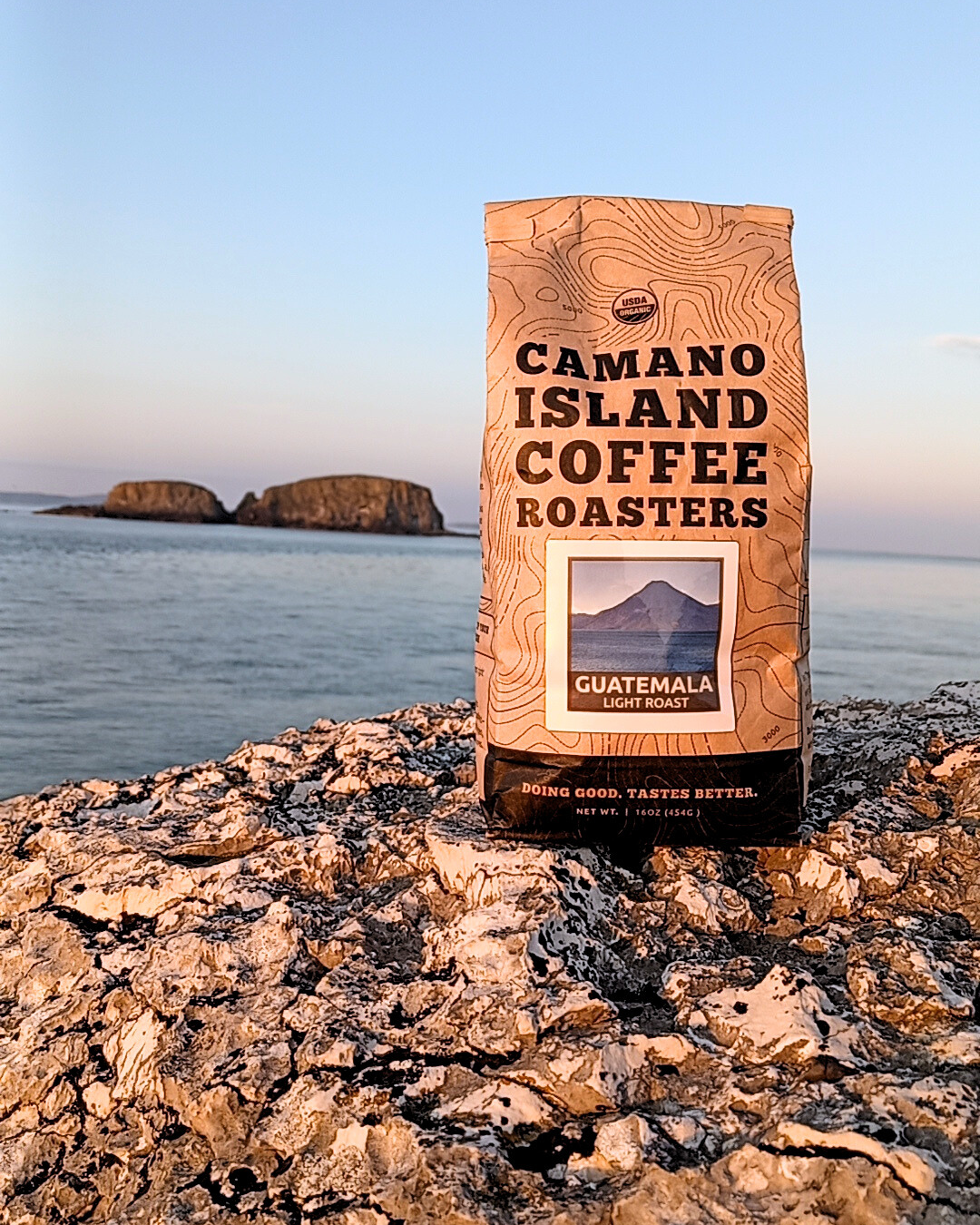
Bright Mornings with our Guatemala Light Roast


Bright Mornings with our Guatemala Light Roast

There’s something magical about that first cup of coffee in the morning. The quiet pause before the day begins, the warmth of the mug in your hands, and the gentle aroma filling the room. A great coffee doesn’t just wake you up, it invite you to savour the moment. Our Guatemala Light Roast is crafted to do exactly that.

A Taste of Guatemala

This organic light roast comes from Trapichitos, Guatemala, a region known for producing coffees with bright, lively flavors. Light roasting preserves the bean’s natural character, allowing the subtle nuances of the origin to shine through. with every sip, you’ll notice sweet, tangy citrus notes of lemon and grapefruit, balanced by a soft hint of cocoa. the result is a clean, flavourful cup with a medium to full body, a sweet tart aroma, and a semi-sweet, slightly tangy finish.

Every batch of our Guatemala Light Roast is carefully roasted to highlight these flavors, giving you a coffee that’s both lively and balanced perfect for mornings when you want a cup that feels fresh, bright, and full of character.

Why Light Roast?

Light roasting is about preserving the unique qualities of the bean rather than emphasizing deep roast flavors. in the case of the Guatemala Light Roast, it allows the bright citrus notes to shine and the cocoa undertones to come through subtly. This roast gives a clear sense of the origin, the highlands of Guatemala, and lets the natural flavors take centre stage.

Brewing Tips

To get the most out of this coffee, your brewing method makes a difference. Here are some tips to enjoy the Guatemala Light Roast at its best:

  • Pour-over or drip: These methods highlight the bright, citrus-forward notes while keeping the cocoa undertones smooth.
  • French press: A shorter steep of 3-4 minutes works best to maintain brightness without sharpness.
  • Freshly ground beans: Grinding just before brewing preserves the delicate aromas and flavors.

Whether you enjoy it black or with a touch of milk, this roast offers a lively, engaging cup that’s perfect for easing into your day or enjoying a quiet moment of pause.

At Camano Island Coffee Roasters, every roast reflects thoughtful sourcing and organic practices. The Guatemala Light Roast is made from organic beans, ensuring the coffee is crafted with care for both the land and the people who grow it. Each batch is roasted to bring out the best of the origin, so you get a cup that’s full of flavor and character.

This coffee isn’t just about taste, it’s about experience. The aroma, the flavor, and the smooth finish invite you to slow down and enjoy your morning. It’s the kind of coffee that makes the daily ritual of brewing feel a little more special.

Whether It’s a slow weekend morning or the first cup before a busy day, our Guatemala Light Roast delivers a bright, flavourful start. Its lively citrus notes and subtle cocoa undertones make it versatile, easy to enjoy, and deeply satisfying. Each sip reflects the care of the farmers in Guatemala and the attention to detail in roasting there on Camano Island.

With this coffee, you don’t just get caffeine, you get a moment of clarity, brightness, and flavor that turns an ordinary morning into something worth savouring.

Our Guatemala Light Roast is a wonderful example of how organic, light roasted coffee can brighten out the personality or its origin. It’s lively, flavourful, and perfectly balanced, everything we love about Guatemalan beans, delivered right to your home.

If you’re looking for a coffee that’s bright, engaging, and full of character, this roast is a perfect choice. From the first sip to the last drop, it’s a reminder that coffee can be more than a beverage, it can be a daily moment of joy.

Explore our Guatemala Light Roast by clicking here and make your mornings a little brighter.

Posted on

Awaken Your Skin: How Coffee Can Transform Your Skincare Routine

Awaken Your Skin: How Coffee Can Transform Your Skincare Routine

Coffee isn’t just a morning pick-me-up – it’s also a powerhouse for your skin. Packed with antioxidants, caffeine, and essential nutrients, coffee can do wonders for your complexion, whether you drink it or apply it topically.

1. Say Goodbye to Puffiness and Dark Circles – Caffeine is a natural vasoconstrictor, meaning it helps shrink blood vessels. When applied topically, it can reduce swelling and puffiness, especially around the eyes. Coffee-infused eye creams or masks can help brighten tired eyes, giving you a refreshed, awake look. Drinking coffee may also help indirectly by reducing systemic inflammation, supporting overall skin health.

2. Exfoliation for Smooth, Glowing Skin – Coffee grounds are a gentle, natural exfoliant. When used in scrubs, they help remove dead skin cells, unclog pores, and stimulate circulation. This leaves your skin looking smoother, softer, and more radiant. A simple DIY coffee scrub mixed with coconut oil can make your skin glow naturally.

3. Fight Free Radicals and Slow Aging – The antioxidants in coffee, like polyphenols, fight free radicals – the culprits behind premature aging. Topical use provides a concentrated boost for your skin, while drinking coffee adds antioxidants systemically, helping protect your skin from the inside out.

4. Reduce Cellulite and Improve Skin Firmness – Caffeine may temporarily tighten the skin and improve blood flow, making it a popular ingredient in anti-cellulite creams. While drinking coffee doesn’t have the same localized effect, it supports overall circulation and health.

5. Brighten Your Complexion Naturally – Coffee stimulates circulation when applied to the skin, promoting a healthy glow. Drinking coffee may also contribute indirectly by providing antioxidants and reducing inflammation, helping your skin look vibrant from the inside out.

6. Does the Roast Matter? – Yes! The roast can affect the antioxidant and caffeine content of your coffee:

  • Light roast: Slightly more antioxidants and caffeine → potentially better for overall skin health when drinking.
  • Dark roast: Still effective topically and delicious to drink, with slightly fewer antioxidants.

Topically, the difference between light and dark roast is minimal—texture and freshness are more important for scrubs and masks.

DIY Coffee Skincare Tips

  • Coffee Scrub: Mix 2 tablespoons of finely ground coffee with 1 tablespoon coconut oil. Gently massage onto damp skin in circular motions, then rinse.
  • Eye Mask: Combine 1 teaspoon coffee grounds with a small amount of aloe vera gel and apply under the eyes for 10 minutes.
  • Face Mask: Mix coffee with honey for a hydrating, antioxidant-rich mask.

Coffee isn’t just delicious – it’s a natural way to nourish, protect, and revitalize your skin, both inside and out. So next time you brew your morning cup, remember: a little coffee can go a long way in your skincare routine.

⚠️ Disclaimer – This article is for informational purposes only and not a substitute for professional skincare advice. Always patch test before trying new skincare ingredients, and consult a dermatologist if you have sensitive skin or specific concerns.

Posted on

Let’s Talk About Our Indonesian Regional Blend

Let’s Talk About Our Indonesian Regional Blend

We know we shouldn’t play favourites… but there’s something about our Organic Indonesian Regional Blend that keeps us coming back for more.

It’s bold. It’s earthy. It’s rich in all the right ways. And if you’ve never tried it before, this is your sign to pour yourself a cup and settle in – because we’re about to tell you why this roast is so special.

It all starts with the soil. The beans in this blend come from high up in the mountains of Indonesia, where they grow in rich volcanic soil. That might sound like a small detail, but it makes a big difference.

This kind of soil gives the beans depth – it’s what brings out those roasted nut and toasted malt flavors that make this roast so grounding.

Let’s talk about flavor. This is a medium roast, but it’s got a full, creamy body that makes it feel extra satisfying. It’s smooth and strong at the same time – a rare combo.

Here’s what you’ll taste:

  • Roasted nuts (like hazelnut or almond)
  • A little toasted malt – like whole grain bread fresh from the oven
  • A touch of sweetness, but nothing overpowering

You know that moment when you open a fresh bag of coffee and suddenly the whole room smells amazing? This roast is that moment.

It has a strong floral and woody aroma – which sounds fancy, but really it just smells like stepping into the forest after it rains. It’s fresh, it’s earthy, and it makes you want to slow down and breathe it all in.

Of course, like all our coffee, this roast is:

  • 100% Organic
  • Shade-grown
  • Fairly traded
  • Roasted in small batches right here on Camano Island

We do it this way so every cup is as fresh, ethical, and flavorful as possible. No bitterness. No mystery blends. Just clean, beautiful coffee from good places.

Ready to try it?

This is the kind of roast you reach for on a rainy day. Or when you want something bold but still smooth. It’s the one you drink slowly – because it’s that good.

If you haven’t tried it yet, give it a go. And if you have – tell us what you taste in your cup. We’d love to hear it!

Posted on 2 Comments

Enoemia’s Story

Enoemia’s Story

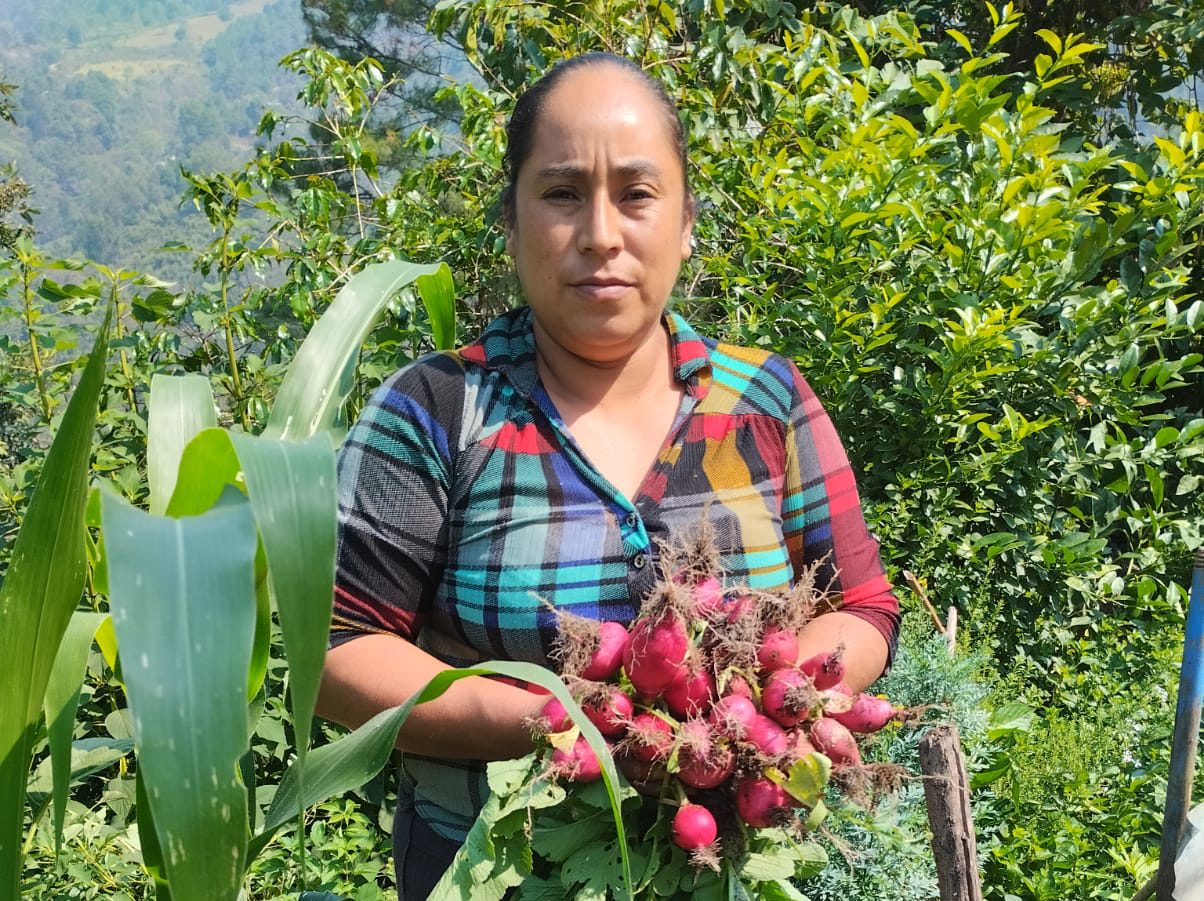
Enoemia Mazariegos is a member of the cooperative ACODIHUE, in Huehuetenango, Guatemala. She lives in the community of Villa Linda in her parents’ house with her two sons. Being a single mom, Enoemia has had a difficult time getting ahead in life and providing for her two children — Alfonso and Keybar.. “A single mother carries a stigma in this society, limiting their opportunities.”

Through contact with Food 4 Farmers Enoemia gained a new opportunity. She was offered a position to help as a Food Security Coordinator. About being offered the position Enomeia said “I had a lot of doubts. I didn’t know if I could do it because I only went to primary school. The women in my community knew me, but I didn’t know how to teach them or if they were going to support me in this project. It also represented a lot of time from my part -sometimes I walk for hours to reach the families- and I didn’t know if the effort was going to be beneficial to me.” She continues, “In all honesty, I accepted because there was a small economic incentive, and I was in a lot of need. But as I started my training, I realized that I really like working with women and learning about producing our own food. 

I can’t remember the time in my community when we produced our own food. I think that is very interesting. Also, I feel that this project has made me confront my fears and show me how to be more responsible for my community.” 

Before becoming a Food Security Coordinator for Food 4 Farmers Enoemia’s only job opportunity was working in the family coffee plot. Because of this, she was considering taking her 13 year old son (now 14) out of school because they didn’t have the resources to keep him in school. Enoemia was disheartened about this because she couldn’t finish school herself and was hoping to provide better opportunities for her children. But thanks to the promoter’s compensation she receives, she is not afraid of that anymore. 

The Food Security Coordinator position also made her eligible for affordable housing through a housing program with ACODIHUE co-op and is in the process of finishing her new home where she will finally achieve her dream of being independent with her two sons. 

Finally, when asked how her diet has changed since the food security program started, “a lot!” she replied. “Now my children are eager to go to our home garden to see what is ready to eat, and there is a lot that we didn’t consume before because we were not used to, like lettuce, radishes, herbs, carrots and beets.” She continues, “now we can’t live without our organic garden. Also, through Food 4 Farmers trainings I have learned to cooked in different ways so my sons can have healthy meals.” 

Then she adds in her own words “Maybe the most important thing I learned is that I can, I am able, and I will get ahead with my children.” 

Posted on Leave a comment

Progress Report: Comepcafe, Colombia

Progress Report: Comepcafe, Colombia

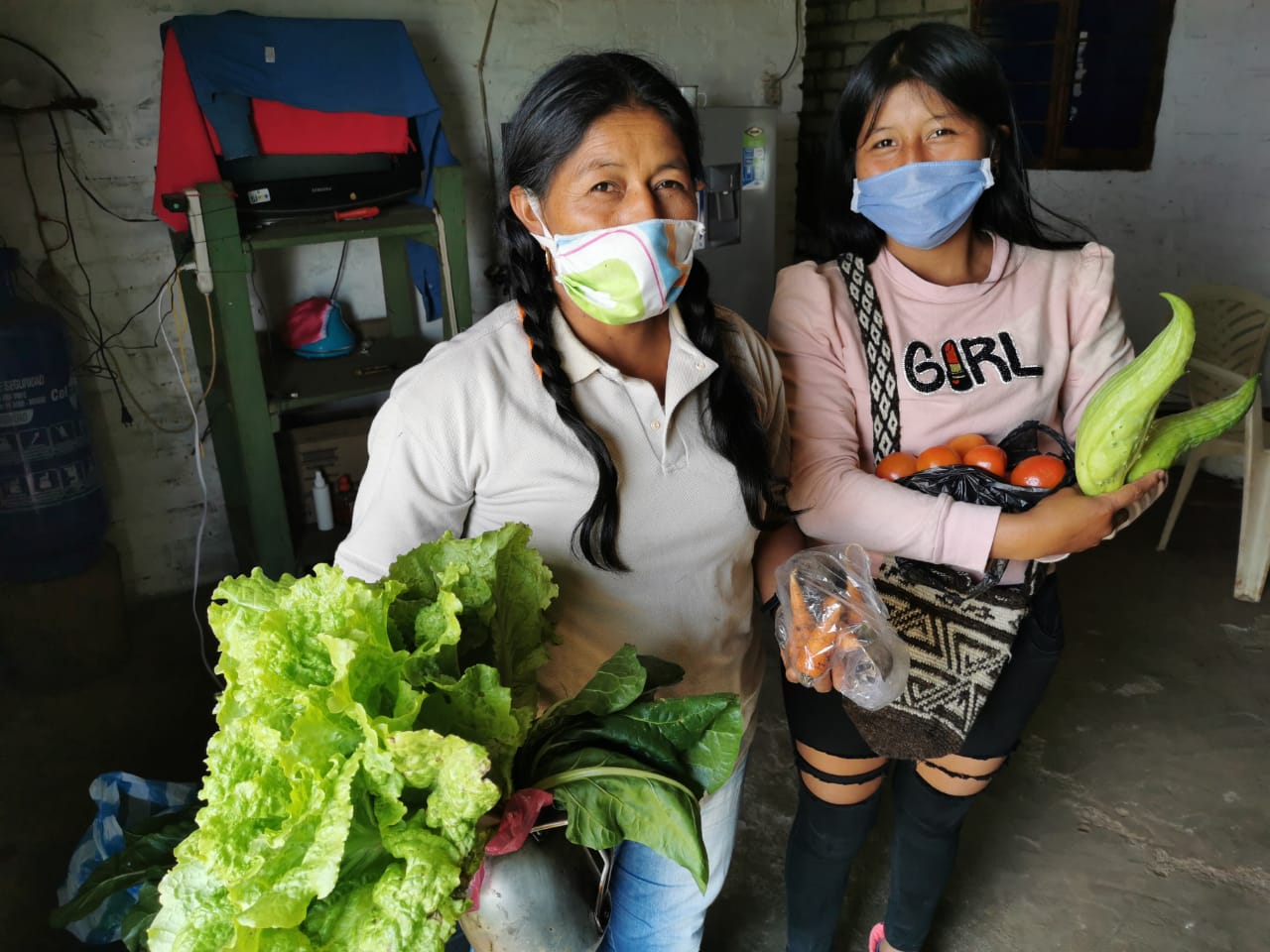
A mother and daughter team at COMEPCAFE (above) share produce from their garden, including alchucha, a local fruit used raw in salads or cooked. A group of 17 community promoters are providing hands-on training with 288 families to revitalize interest in healthy, traditional foods that can lead to healthier diets. (See this article from Atlas Obscura for more on the Alchucha, otherwise known as the Achachairú.)

As they improve their home gardening techniques, families at COMEPCAFE are learning how to plan water usage and protect water sources.

Mapping local water sources is a first step to setting up irrigation systems for gardens and conserving this precious resource. As they improve their home gardening techniques, families at COMEPCAFE are also learning how to plan water usage and protect water sources. (The indigenous families of COMEPCAFE are part of Food 4 Farmers’ crowdfunding campaign with Grow Ahead to develop an agroforestry and food security project.)

Posted on 1 Comment

Blanca’s Journey to Motherhood

Blanca’s Journey to Motherhood – An Agros Story

In honor of mothers across the world, we want to share the story of Blanca Nubia, a young mother who, through the support of Agros, has risen above poverty into prosperity.

From Despair…

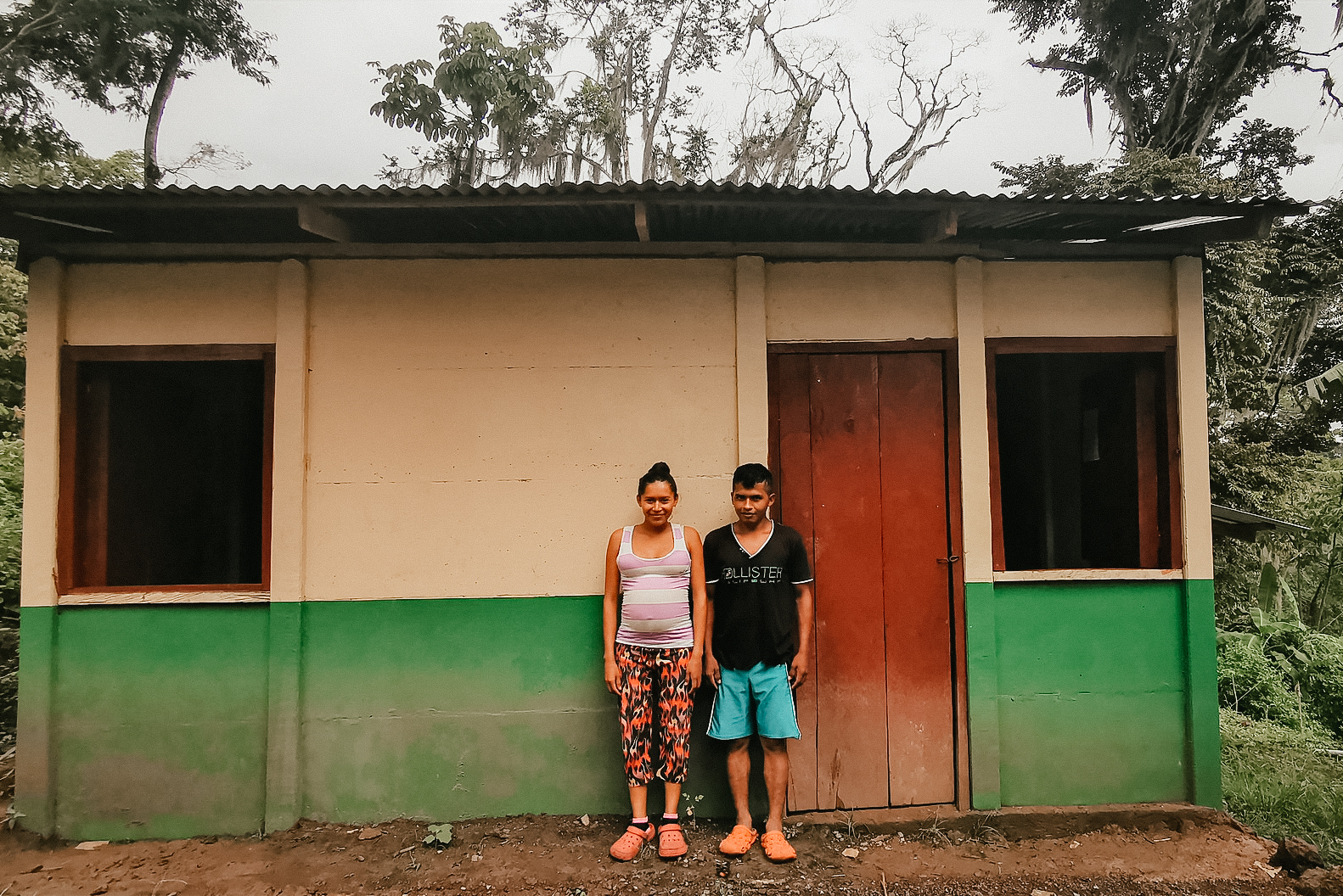
Blanca found out she was pregnant when COVID-19 hit. She and her husband, Yader, lived in a shack without running water or a basic latrine. Though they worked hard as day laborers, it was difficult to earn more than a few dollars a day and work was even more unpredictable. Fears and uncertainty about her living situation were worsened with the anxiety of her first pregnancy and the pandemic that threatened the life of her child, especially with no access to medical care.

…To Hope

We reached out to Agros supporters and asked them for help. The response was inspiring. Because of the generous support that poured in, not only did Blanca and Yader start receiving personal protective equipment and food, but they also were presented with their own home and land in the Agros village of Nueva San Jose. Blanca shares, “Before, we didn’t have a house, land, or medical attention. Agros has brought us closer to those services, and that makes me feel safe and self-assured.”

Blanca also began receiving special attention to make sure her pregnancy continued smoothly. A doctor visited Blanca for regular check-ups and provided her with prenatal vitamins and supplements.

In October last year, we asked Blanca about the assistance she had been receiving from Agros, “The doctor has been monitoring the advances in my pregnancy and refers me to the local health center,” she responded, “I am grateful for the doctor’s home visits. They give me confidence that my child will grow healthy and strong.”

In November of 2020, Brayan Estiben was born in a hospital – healthy and without any complications. “It was painful when I was giving birth,” Blanca reflects, “but when I had my baby in my arms, all of the pain went away. It is a marvelous experience to be a mother.”

Lasting Change

Brayan’s health is monitored as he continues to grow. Recently, his weight was checked by an Agros trained health brigadista (a volunteer medical worker) and she was happy to find the baby in good health. (The area surrounding Blanca and Yader’s village has an average childhood malnutrition rate of over 60%. Thanks to the overwhelming support of Agros donors, this issue is being addressed.) 

As Blanca makes her journey through motherhood, she will continue to have access to food, supplies, and medical assistance through Agros. 

Both she and Yader received farming training as well. Yader is cultivating his own crops, which will allow them to generate a sustainable income and reliable food source.  We are so grateful for you and all the Agros supporters who answered Blanca’s call for help. Today, she and her family are able to support themselves as they build a bright future together.

Posted on 2 Comments

Beekeeping in Maya Ixil, Guatemala

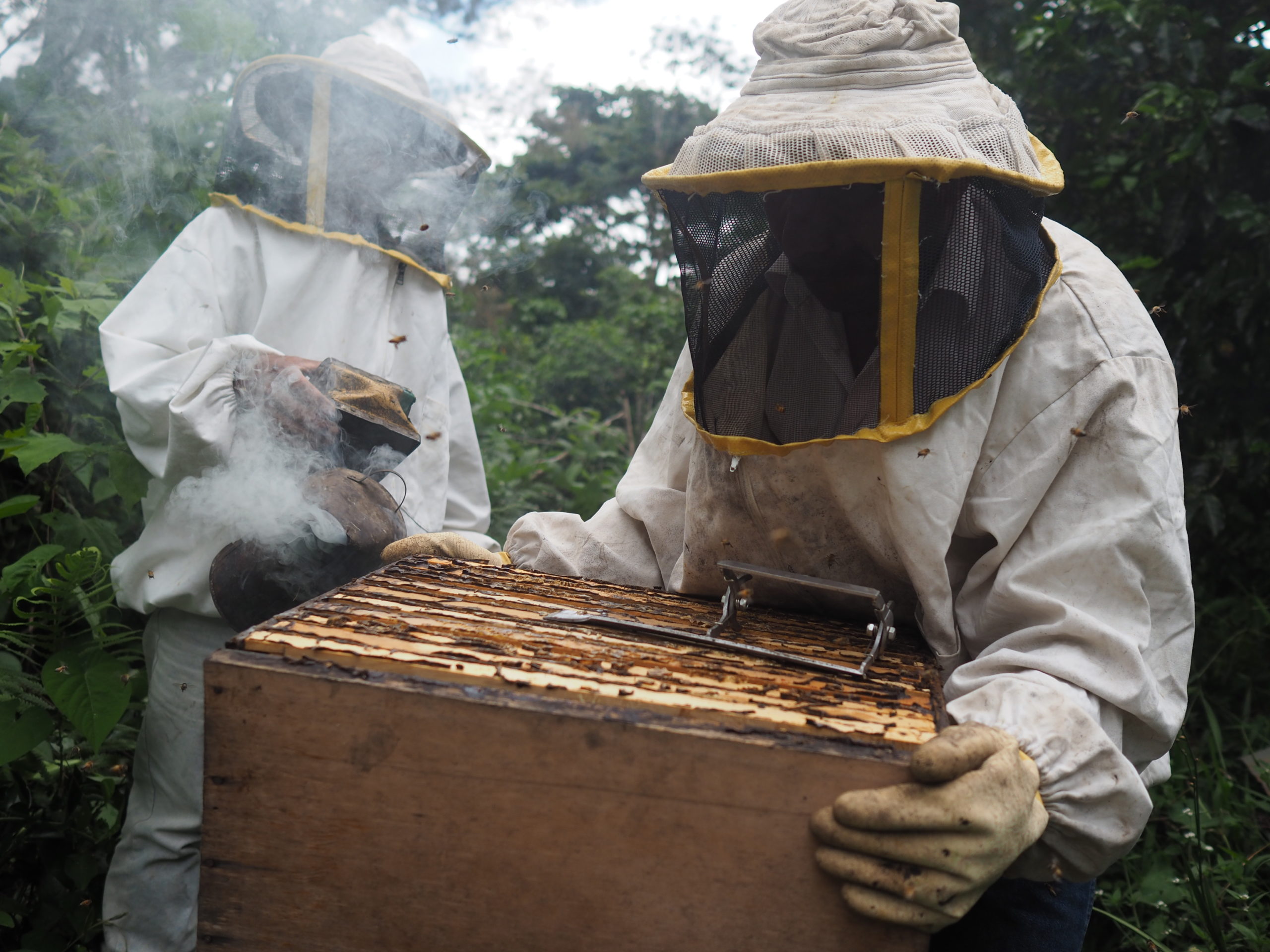
(Domingo Enoc Toma Lopez, a coffee farmer and beekeeper, models a Maya Ixil veil above.)

Beekeeping for families in Maya Ixil, Guatemala


Isabella de la Cruz Medina displays her certificate after completing her beekeeping training with Maya Ixil Cooperative. She is among 13 young people who have joined the cooperative’s beekeeping program and also works as a promoter. (Maya Ixil was recently featured in an NPR story on how communities are adapting to COVID19 and supporting families.)

Nineteen-year-old Isabella de la Cruz Medina first caught the “beekeeping bug” three years ago while helping her father, Maya Ixil’s beekeeping specialist and Food 4 Farmers’ beekeeping program coordinator. She’s now part of a group of young people trained and working as program promoters, while managing 10 hives of her own. Isabella is also studying to become an agricultural extension officer, and has set an ambitious goal of owning 60 bee hives.

(Isabella de la Cruz Medina (center) with her father, Domingo and Beatriz Ocampo of Food 4 Farmers.)

Beekeeping gear can be very expensive for beginning beekeepers, so Food 4 Farmers’ partner Maya Ixil in Guatemala has hired two young people to sew protective suits, and build racks and boxes for hives. This new venture not only employs young people who have few opportunities for employment in the community; it also makes beekeeping more accessible to coffee-farming families. Maya Ixil beekeepers can now buy necessary equipment for half of the market price and the two young people have ramped up their business. Every two months, they are able to produce and sell 20 jackets and veils, 10 overalls, 100 racks and 10 bee boxes, while also working as community promoters training new beekeepers.


Justo Perez Itzep

Justo’s family has struggled to recover since 2013 when coffee rust decimated their coffee production. Then in 2018 a landslide wiped out much of their farm. Justo’s father – a participant in the Food 4 Farmers beekeeping program – headed north to seek work to support the family. As the oldest child, Justo took over his father’s hives and now manages their small farm. He talks with his dad every week by phone, to get advice on managing the bees and the farm, where they now grow cardamom, coffee and food for the family. It’s been tough, but Justo is determined to make everything work while his dad is away. “When I took over the bees, we had just four hives and now I have 18. My dream is to eventually have 100 hives to help provide for my family,” he says.

Posted on 14 Comments

Save Yourself From Bad Coffee

Save Yourself From Bad Coffee

We asked you to tag a mom in your life who could use some good coffee. Your response was fantastic. As a result we have picked 5 winners. Congratulations to you guys!

And, remember, if you didn’t win you can still get your first bag free when you join the Coffee Lovers Club. If it’s not the best coffee you’ve ever tried simply email to cancel. We make it easy!

And when you join make sure to enter the friend who referred you. They get $20 towards their next shipment!


How The Free Pound Works

  • Just pay 99¢ shipping and handling.
  • If it’s not the best coffee you’ve ever tried simply email to cancel.
  • Next shipment auto-ships 3 weeks later.
  • You’re never charged for your first free pound.


Posted on Leave a comment

Why Is Some Coffee More Bitter Than Others?

Why Is Some Coffee More Bitter Than Others?

What could be worse than thinking you’ve bought the best coffee for home, pouring a big cup, bringing it up to your lips, taking the first sweet drink, and realizing it’s bitter.

A cup of coffee should burst with flavor, not be overpowered by bitterness. Why does coffee sometime end up bitter?

Should Coffee Actually Be Bitter?

It’s pretty interesting that coffee is so often thought of as bitter. Coffee should never taste bitter. Rather, coffee should have a variety of flavors, from spicy to floral to even hints of chocolate. In fact, there’s a whole flavor wheel dedicated to ways of describing great coffee. Let’s take a look at some of the causes of bitterness, and how to avoid them.

Let’s Look at The Technicalities: Does Brewing Make a Difference?

Coffee brewing is actually quite a science. One of the main reasons why coffee can seem bitter is due to over extraction. The process of extraction is where flavor is pulled out of the coffee, rendering clear water into that deliciously dark brew. When water mixes with the coffee grounds, there is a chemical reaction wherein the flavor compounds are dissolved. The trick is to extract the delicious flavor compounds without the overly acidic ones, which tend to overpower with more time and create bitterness.

Keeping this in mind, here are a few points that could be creating your bitter cup of coffee and that easily be avoided the next time you make a brew.

You’re Leaving the Coffee To Steep For Too Long

This point is particularly common when a French press is used to brew coffee, since a lot of people tend to leave the coffee in the press once they have pushed the plunger down. When the grounds are left in too long, the coffee continues to extract after the delicious flavors have already been extracted. This is easy to fix. If you really prefer to drink your coffee in a leisurely fashion, don’t leave it in the French press or brewer when it is done brewing. Immediately transfer it to a thermal carafe which will keep it hot.

You’re Not Using The Right Size Grind.

Grinding coffee beans can change how the compounds dissolve. This means that if the beans are too coarsely ground, you run the risk of under-extraction and this in turn leads to a flat-tasting coffee. However, if the beans are too finely ground, they become over-extracted and you’re left with bitter coffee. Different brewing methods tend to require different size grinds so sometimes you need to experiment a little to figure out that perfect sweet spot. However, if you are getting a bitter cup, chances are good your grounds have been too finely ground.

The Water’s Been Boiled Too Hot

Water temperature actually plays a big role in coffee brewing. Boil it too hot and you start extracting the bitter compounds. The ideal boiling temperature is 195 -205 degrees Fahrenheit for optimal extraction. Simply put, do not let your water over boil and remember to let it sit for a minute just before pouring over your coffee grounds.

The Equipment is Dirty

Bitterness doesn’t only occur from over extraction. Residue coffee that has been left over from the last time you brewed a batch can certainly affect the flavor of your future cups. So be sure to keep your brewing equipment squeaky clean.


Eliminate Bitter Coffee – Drink Better Coffee

What’s the best way to eliminate bitter coffee? Don’t settle for low quality coffee. Our coffee is shade-grown, meaning it naturally has less acidity which means a smoother, less bitter Cup of Joe. A focus on brewing will help too. Check out our brew guides to learn how to make better coffee with the coffee brewer of your choice. We’d suggest trying a Chemex brewer for the best results.