How Roast Level Changes Flavor (and What You’ll Like Best)
When choosing a coffee, roast level is one of the biggest factors shaping how it tastes in the cup. While origin and processing play a major role, roasting determines which flavors are emphasized, softened, or transformed. Understanding how roast level affects flavor can make it easier to find the coffee you’ll enjoy most.
What happens during roasting
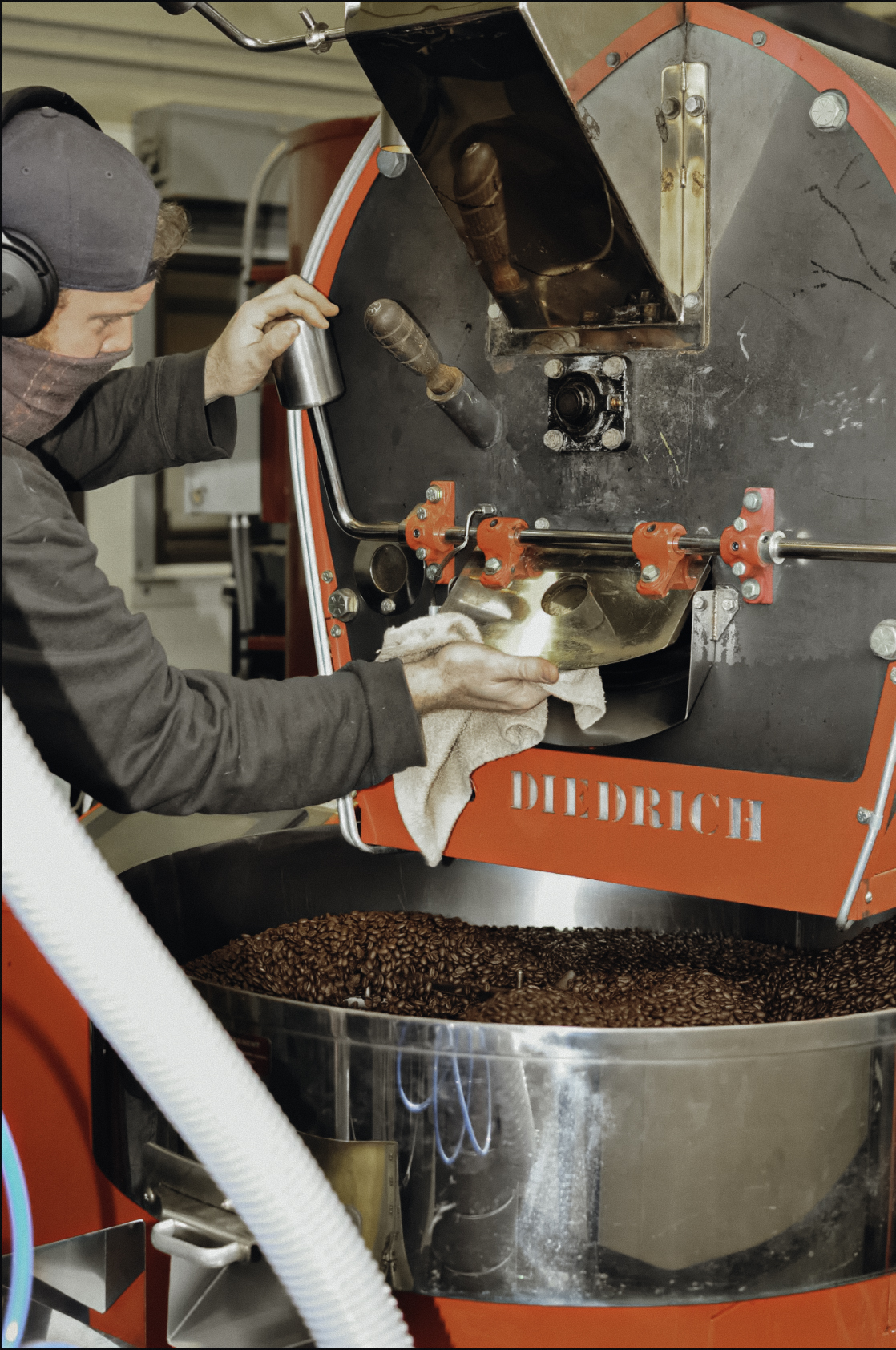
Green coffee beans don’t start out tasting like coffee. As they’re roasted, heat triggers chemical reactions that develop aroma, flavor, and body. Sugars caramelize, acids change, and natural compounds evolve. The longer a coffee is roasted, the more these reactions progress, and the more the flavor shifts.
Roast levels are typically grouped into light, medium, and dark, each with its own characteristics.
Light roasts: bright and expressive
Light roasts are taken just far enough to develop flavor while preserving much of the coffee’s original character. These coffees often highlight where the bean was grown, showing brighter acidity and more delicate flavors.
Common traits include:
- Lighter body
- Brighter or fruit-forward notes
- Clean, crisp finishes
Light roasts are often chosen by drinkers who enjoy clarity, subtle sweetness, and flavors that feel fresh and lively.
Medium roasts: balance and smooth
Medium roasts strike a balance between origin character and roast development. At this level, sweetness becomes more pronounced, acidity softens, and body increases without becoming heavy.
You’ll often find:
- Balanced acidity and sweetness
- Notes like caramel, chocolate, or nuts
- Medium body with a smooth finish
This roast level appeals to many coffee drinkers because it offers complexity without sharpness or heaviness.
Dark roasts: bold and deep
Dark roasts are taken further into the roasting process, which reduces acidity and brings out deeper, roast-driven flavors. At this stage the roast has a stronger influence than the origin itself.
Typical characteristics include:
- Fuller, heavier body
- Lower perceived acidity
- Smoky, toasted, of bittersweet flavors
Dark roasts are often preferred by those who enjoy bold, intense cups or traditional coffee flavors.
Finding what you like best
There’s no “right” roast level, it comes down to personal preference. If you enjoy lighter, brighter flavors, a light roast may suit you best. If balance and sweetness are what you look for, medium roasts are a natural choice. And if you prefer rich, bold flavors with less acidity, dark roasts may be your go-to.
Trying the same origin at different roast levels can be especially helpful. It shows how roasting alone can change the experience of a coffee, even when everything else stays the same.
Understanding roast level isn’t about rules or rankings, it’s simply a tool to help you enjoy your coffee more. The best roast is the one that tastes right in your cup.
Simple Food Pairings for Each Roast
Pairing coffee with food can enhance your experience and highlight different flavors in each roast. Here are a few ideas:
Light roasts – Their bright, fruity notes and clean finish go well with fresh fruit, yoghurt, or lightly sweet pastries.
Medium roasts – The balance of sweetness and body pairs nicely with nut based baked goods, oatmeal or mild cheeses.