Posted on

AROUND THE WORLD IN COFFEE: TURKEY

AROUND THE WORLD IN COFFEE: TURKEY

Turkey occupies a unique place in coffee history. While coffee is not grown there, the country played a central role in how coffee was prepared, shared, and woven into daily life. For centuries, Turkish coffee culture emphasized hospitality, conversation, and ritual, influences that still resonate today.

Coffee reached the Ottoman Empire in the mid-16th century, likely traveling from Yemen through trade routes into Istanbul. By the 1550s, coffeehouses were opening in the city, quickly becoming popular gathering spaces.

These early coffeehouses served as places for conversation, storytelling, music, and discussion. Coffee was prepared slowly and shred intentionally, helping establish its role as a social beverage rather than simply a source of energy.

What we now call Turkish coffee refers to a brewing method rather than a coffee origin. Finely ground coffee is simmered in water, traditionally in a small pot called a cezve, and served unfiltered. This method produces a rich, concentrated cup with foam on top and grounds settled at the bottom. 

The preparation emphasizes patience and attention, with coffee brewed slowly rather than quickly. This approach shaped how coffee was experienced in homes and public spaces across the region.

Coffeehouses in the Ottoman Empire were among the earliest known public cafés. They played an important cultural role, sometimes even drawing concern from authorities due to their popularity as places of discussion and social organization.

Over time, coffee became firmly embedded in daily life, used to welcome guests and mark social occasions. Offering coffee became a symbol of hospitality, a practice that continues in Turkish culture today. 

Turkish coffee culture includes traditions that blend fact and folklore. One well known custom is coffee fortune reading, where the patterns left by coffee grounds are interpreted after drinking. This practice is cultural and symbolic rather than scientific, but it remains a familiar part of coffee tradition in many households.

Another commonly repeated saying translates to: A cup of coffee commits one to forty years of friendship.” While poetic rather than literal, it reflects the importance placed on shared coffee and long-lasting connection.

In 2013, Turkish coffee culture and tradition were recognized by UNESCO as part of the Intangible Cultural Heritage of Humanity. This acknowledgement highlights the social practices, preparation methods, and communal role of coffee in Turkish society.

Turkey’s influence reminds us that coffee’s story isn’t just about where it’s grown, it’s about how it’s shared. Long before espresso machines or modern cafés, Turkish coffee emphasized time, presence, and connection. 

As part of our Around the World in Coffee series, Turkey represents a chapter focused on ritual, hospitality, and the enduring power of coffee to bring people together. 
Shop our full range of organic coffee here. 

Posted on

How to Brew Smooth Coffee Without Cream or Sugar

How to Brew Smooth Coffee Without Cream or Sugar

Simple techniques for a naturally balanced, great tasting cup. 

If you’ve ever felt like black coffee is too bitter to enjoy on its own, you’re not alone. It’s one of the most common reasons people reach for cream or sugar.

But here’s the thing: well-brewed coffee shouldn’t need either.

A smooth cup of coffee, one that’s balanced, slightly sweet, and easy to drink, comes down to a few key fundamentals. Once you understand them, you can consistently brew coffee that tastes good as is.

In this guide, we’ll walk through exactly how to brew smooth coffee without cream or sugar, using simple, practical adjustments you can make right away.


What Makes Coffee Taste Smooth?

Before jumping into technique, it helps to understand what “smooth” actually means in coffee.

A smooth cup typically has:

  • Low bitterness (no harsh or burnt taste)
  • Balanced acidity (bright but not sour)
  • Natural sweetness (subtle notes like chocolate, caramel, or fruit)
  • Clean finish (no lingering dryness)

When any of these are off, coffee starts to taste like it needs fixing.

Use fresh, quality coffee beans

    If your coffee isn’t smooth, start here. Coffee tastes best within a few weeks of roasting. As it ages, it loses the aromatics that give it sweetness and complexity, often leaving behind a flatter, duller cup.

    For a smoother result: Use freshly roasted coffee

    Store it in an airtight container away from light and heat

    Avoid pre-ground coffee when possible

    Fresh beans won’t guarantee a perfect cup, but stale ones almost guarantee a disappointing one. 

    Grind size: the key to avoiding bitterness

      Grind size directly affects how your coffee extracts.

      Too fine = over extraction = bitter, harsh taste

      Too coarse = under extraction = sour or thin

      Match your grind to your brew method:

      • French press — coarse
      • Drip coffee — medium
      • Pour over — medium-fine
      • Espresso — fine

      If your coffee tastes rough or drying, try going slightly coarser. This is one of the quickest ways to improve your smoothness. 

      Dial In Your Coffee-to-Water Ratio

      Strong doesn’t always mean better. Using too much coffee can overwhelm the cup and exaggerate bitterness. Too little, and it tastes weak and sour.

      A reliable starting point:

      • 1:15 to 1:17 ratio (coffee to water)

      This range helps you hit a balanced extraction where natural sweetness can come through.

      Water Temperature: Stay in the Sweet Spot


      Water that’s too hot extracts more bitter compounds than you want. 

      Aim for: 

      • 90–96°C (195–205°F)

      If you don’t have a thermometer, just let boiling water sit for about 30 seconds before pouring.

      It’s a small habit that makes a noticeable difference.

      Choose a Brewing Method That Supports Smoothness

      Some brewing methods naturally produce a smoother cup than others.

      • Pour-over (V60, Chemex) = clean, balanced, highlights subtle sweetness
      • French press =  fuller body with a rounded mouthfeel
      • AeroPress = low bitterness, very smooth when dialed in

      No method is “best” but if your goal is smooth black coffee, these are all strong options.

      Use Clean, Filtered Water

      Since coffee is about 98% water, its quality matters more than most people think.

      • Filtered water is ideal
      • Very hard water can taste harsh
      • Distilled water can taste flat

      Good water helps bring clarity and balance to the cup.

      Let Your Coffee Cool Slightly

      Right after brewing, coffee can taste more bitter than it actually is.

      As it cools:

      • Sweetness becomes more noticeable
      • Flavors open up
      • Bitterness softens

      Waiting even a minute or two can completely change how your coffee tastes.

      Adjust Your Brew (Instead of Adding Sugar)

      If your coffee still isn’t where you want it, tweak your process — not the cup.

      Try adjusting:

      • Grind size
      • Brew time
      • Ratio

      Change one variable at a time so you can clearly taste what’s improving.

      Common Mistakes That Make Coffee Taste Harsh

      If you’re struggling to get a smooth cup, one of these is usually the cause:

      • Water that’s too hot
      • Grind that’s too fine
      • Brewing for too long
      • Using stale coffee
      • Incorrect coffee-to-water ratio

      Fixing even one of these can noticeably improve your results.

      Brewing smooth coffee without cream or sugar isn’t about complicated techniques, it’s about getting the basics right.

      Fresh beans, proper grind size, balanced ratios, and controlled temperature all work together to bring out what’s already in the coffee: natural sweetness, gentle acidity, and a clean finish.

      Once you start dialing those in, you may find that black coffee isn’t something you tolerate, it’s something you actually look forward to.

      Posted on

      How to Choose Coffee Based on Flavor (Not just the Roast Name)

      How to Choose Coffee Based on Flavor (Not just the Roast Name)

      When most people buy coffee, the first thing they look for is the roast: light, medium, or dark. It’s a quick way to categorize coffee, and for years it’s been the shorthand the industry used to help customers choose a bag. But roast level only tells part of the story. If you’ve ever bought a coffee labeled “medium roast” and found it bright and citrusy, or picked up a “light roast” that tasted chocolatey and smooth, you’ve already discovered the truth: flavor comes from much more than the roast name.

      At Camano Island Coffee Roasters, we think roast level is a helpful starting point, but flavor is what really helps you discover the coffees you’ll love. When you begin paying attention to flavor notes and profiles, it becomes much easier (and more fun) to find coffees that truly suit your taste.

      Here’s how to do it.

      First: Understand Where Flavor Actually Comes From

      Roasting changes coffee, but it doesn’t create flavor out of nothing. Most of the flavors you taste in coffee come from three main factors:

      Origin

      Coffee grown in different regions develops different flavor characteristics due to climate, altitude, soil, and processing traditions. 

      For example:

      • Coffees from Central America often have balanced flavors with notes of chocolate, nuts, and gentle fruit.
      • African coffees, especially from Ethiopia or Kenya, are often known for bright acidity and flavors like berries, citrus, or florals.
      • Indonesian coffees tend to be fuller-bodied with earthy, herbal, or cocoa-like notes.

      These characteristics exist before roasting even begins.

      Processing Method

      After harvest, coffee cherries are processed in different ways. The two most common methods are:

      • Washed (wet processed): Often results in clean, bright, and crisp flavors.
      • Natural (dry processed): Often produces fruiter, sweeter, and sometimes jam-like flavors.

      Processing can dramatically shape the final cup.

      Roasting

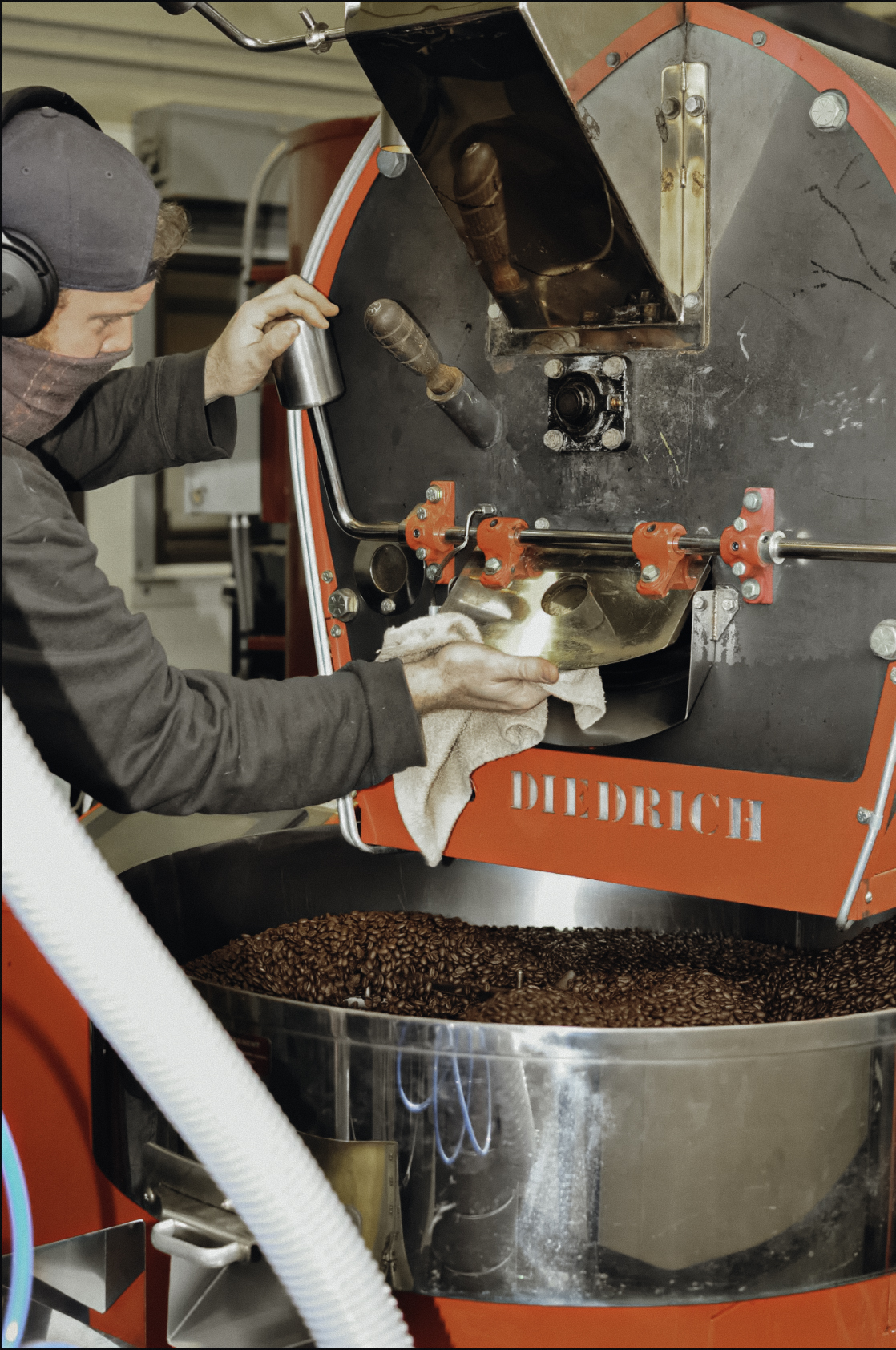
      Roasting develops and balances the flavors already present in the bean.

      Lighter roasts preserve more of the origin character, while darker roasts bring out deeper caramelized, chocolatey, or smoky notes. 

      But even at different roast levels, the underlying origin still plays a role.

      Why Roast Names Can Be Misleading

      Roast levels are not standardized. One company’s medium roast might be another company’s light-medium.

      Roasters also sometimes use creative names, like “breakfast blend,” “house blend,” or “mountain roast,” that don’t really tell you what the coffee tastes like.

      That’s why flavor descriptions are far more helpful when choosing a coffee you’ll enjoy.

      Start with Flavors You Already Like

      The easiest way to pick coffee is to think about flavors you enjoy in other foods and drinks. 

      If you tend to like:

      Chocolatey, smooth, and comforting flavors 

      Look for coffees described with notes like:

      • Chocolate 
      • Cocoa
      • Caramel
      • Brown sugar
      • Toasted nuts

      These coffees are often very approachable and make excellent everyday brews.

      Bright, lively, and fruity flavors

      Look for tasting notes like:

      • Citrus
      • Berry
      • Stone fruit
      • Apple
      • Floral

      These coffees tend to be more vibrant and aromatic.

      Full bodied, bold flavors

      Look for descriptions such as:

      • Dark chocolate
      • Spice
      • Molasses
      • Toasted Sugar
      • Smoky (in darker roasts)

      These coffees can feel heavier and richer in the cup.

      None of these are better than the others, it’s simply about what you enjoy. 

      Use Tasting notes as a Guide (Not a Guarantee)

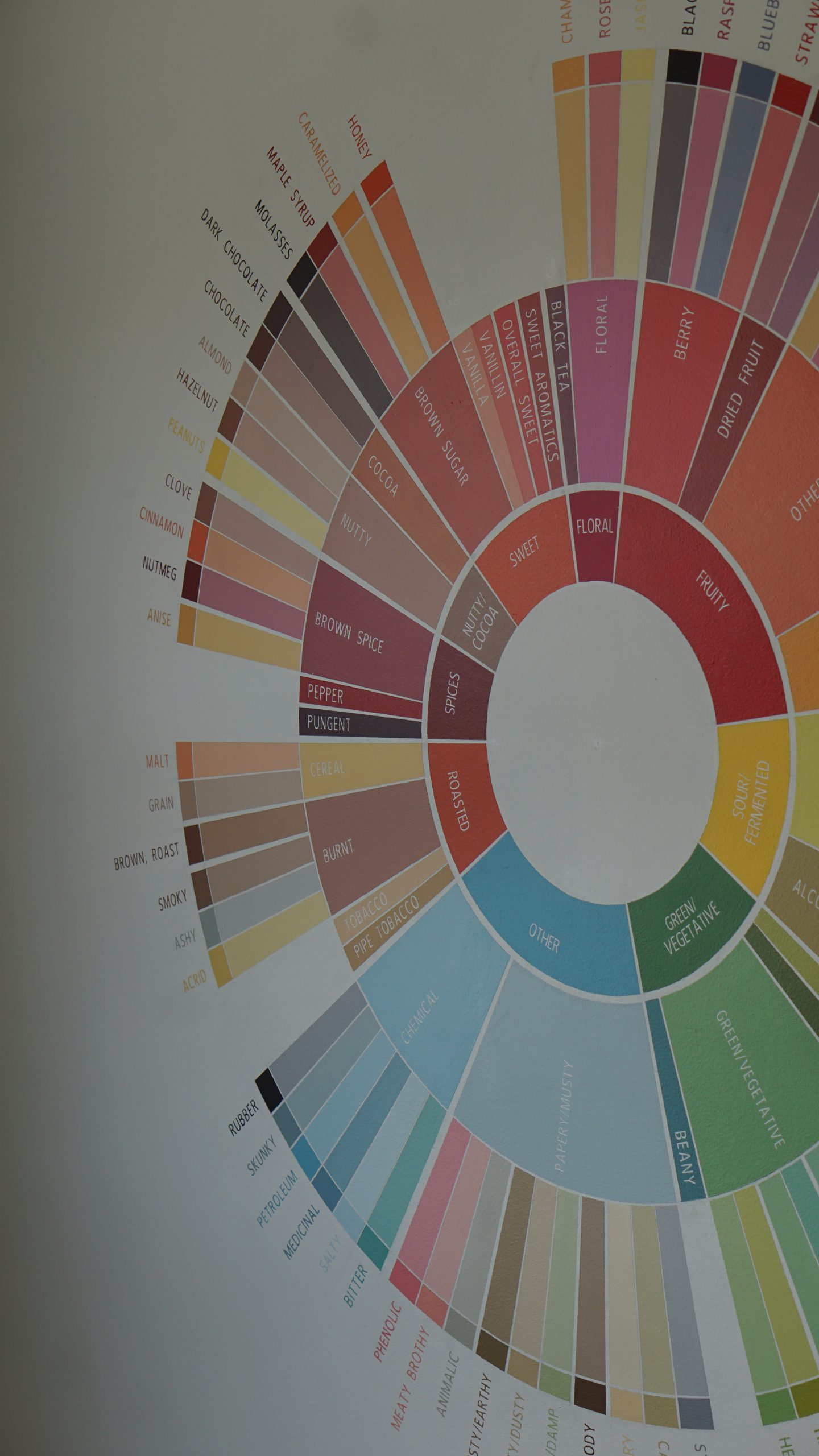
      Coffee tasting notes can sometimes sound surprisingly specific: blueberry, peach, jasmine, graham cracker.

      These notes aren’t added flavors, they’re natural characteristics perceived during tasting. They’re meant to help describe thetype of sweetness, acidity, or aroma in the coffee. 

      You might not taste the exact same thing someone else does, and that’s completely normal. Think of tasting notes as a map, not a promise.

      Brewing Method Can Change Flavor Too

      The way you brew your coffee also affects how flavors show up in the cup.

      For example:

      • Pour-over methods often highlight clarity and bright flavors
      • French press tends to emphasize body and richness
      • Espresso concentrates sweetness and intensity
      • Drip coffee usually provides a balanced, easy drinking cup

      The same coffee can taste noticeably different depending on how it’s brewed.

      The Best Way to Discover Your Preferences

      Coffee is a little like music, reading descriptions helps, but the real fun is in experiencing it.

      A few helpful tips:

      • Try coffees from different regions
      • Pay attention to flavor descriptions rather than just roast level
      • Keep track of the coffees you enjoy most
      • Brew the same coffee in different ways to see how it changes

      Over time, you’ll start to notice patterns in what you like. You don’t need a trained palate to enjoy good coffee. Curiosity is enough.

      Choosing coffee based on flavor simply opens the door to discovering the incredible diversity that exists within one simple bean. And when you find a coffee that makes you pause after the first sip, that’s when you know you’ve found something special.

      Happy brewing from all of us at Camano Island Coffee Roasters! 

      Posted on

      Around the World in Coffee: Ireland

      Around the World in Coffee: Ireland

      Exploring the culture, history, and cozy coffee traditions of the Emerald Isle.

      This month, we’re traveling to Ireland, a country known for warm hospitality, rich storytelling traditions, and a growing love for great coffee. 

      While tea has historically been Ireland’s most popular hot beverage, coffee has become an essential part of modern Irish life, bringing people together in cafés, kitchens, and pubs across the country.

      One of the defining aspects of Irish culture is the importance of gathering. Whether meeting friends, catching up with family, or simply taking a break from the day, sharing time together is deeply valued. 

      Coffee has naturally found a place in these moments. 

      In cities like Dublin, Cork, and Galway, cafés have become community hubs where people settle in with a warm drink and good conversation. It’s common to see locals lingering over their cups, talking, reading, or simply enjoying a slow moment away from the bustle of the day.

      The relaxed approach to coffee reflects something universal: the best cups of coffee are often the ones shared.

      No conversation about coffee culture in Ireland would be complete without mentioning the famous Irish coffee.

      The drink was first created in the 1940s by chef Joe Sheridan at the airport terminal in Foynes, now home to the Foynes Flying Boat & Maritime Museum. On a cold winter night, a group of travelers arrived tired and chilled after a rough flight. To warm them up, Sheridan served hot coffee mixed with Irish whiskey, sugar, and topped with a layer of lightly whipped cream.

      When asked if the drink was Brazilian coffee, Sheridan famously replied, “No, that’s Irish coffee.”

      Today, the drink remains a beloved symbol of Ireland’s warmth and creativity, combining coffee with a touch of comfort and celebration. 

      Over the past decade, Ireland has experienced a surge in specialty coffee. Independent cafés and small roasters are helping shape a modern coffee culture that values quality, sourcing, and craft.

      Walk through neighborhoods in Dublin today and you’ll find skilled baristas carefully preparing pour overs, dialing in espresso shots, and highlighting the unique flavors of coffees from around the world.

      This new wave of coffee culture focuses on:

      • Fresh roasted beans
      • Transparent sourcing
      • Precise brewing methods
      • Thoughtful café spaces designed for connection

      It’s a movement that celebrates coffee as more than a drink, it’s an experience.

      Ireland’s famously cool and rainy climate makes coffee even more enjoyable. A warm mug can transform a grey morning into something cozy and comforting.

      Picture a rainy afternoon in Galway or a quiet morning in the countryside, a steaming cup of coffee, soft conversation nearby, and the sound of rain against the window.

      Moments like these are part of what makes coffee culture so special, not just the drink itself, but the feeling it creates. 

      Irish coffee culture reminds us that coffee is about more than caffeine. It’s about slowing down, connecting with others, and appreciating the small moments in life.

      From the classic warmth of an Irish coffee to the vibrant modern cafés of Dublin, Ireland shows how coffee can bring people together in meaningful ways.

      At Camano Island Coffee Roasters, that spirit is something we celebrate every day. Whether you’re enjoying your morning brew at home or sharing a cup with friends, coffee has the power to connect us, no matter where in the world we are. 

      So this month, as part of our Around the World in Coffee series, we invite you to brew a cup, settle in, and enjoy it the Irish way, slowly, warmly, and in good company.

      Sláinte!

      Posted on

      Organic Peru Light Roast Coffee

      Organic Peru Light Roast Coffee

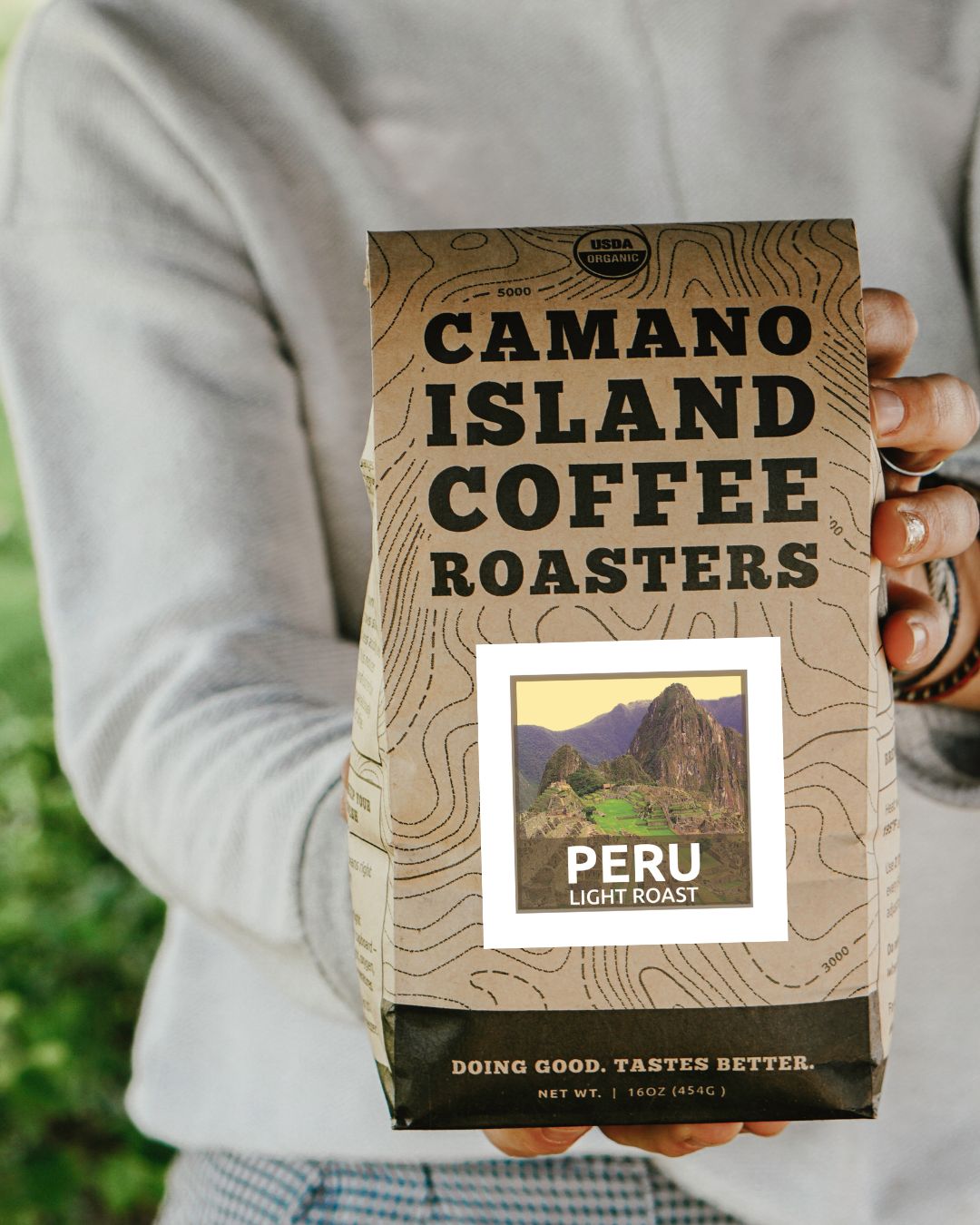
      If you enjoy lighter coffees that are easy to drink yet full of flavor, our Organic Peru Coffee offers a clean and naturally sweet cup. Grown at one of the highest elevations in the region, this Peru bean develops bright, fruity characteristics that translate into a refreshing and approachable coffee. 

      This is our lightest bodied coffee, making it an excellent choice for those who enjoy drinking multiple cups throughout the day without the coffee feeling heavy. Despite its light body, the cup remains flavorful and satisfying, showing how elevation and origin can create sweetness and clarity without weight. 

      The aroma is bright and fruity, setting the stage for a delicate flavor profile. In the cup, you’ll find notes of almond and honey, complemented by hints of berry. The body stays light, and the clean finish leaves the palate refreshed and ready for the next sip. 

      When brewed, Organic Peru Coffee reveals a gentle and balanced flavor experience:

      Aroma: Bright and Fruity

      Flavor: Almond, Honey, Hints of Berry

      Body: Light

      Finish: Clean

      These flavors come together naturally, creating a cup that’s smooth and pleasant without lingering heaviness. 

      Because of its light body and clean finish, this coffee fits easily into any part of the day. It pairs well with a variety of meals and works just as comfortably alongside breakfast as it does in the afternoon.

      Posted on

      How Roast Level Changes Flavor (and What You’ll Like Best)

      How Roast Level Changes Flavor (and What You’ll Like Best)

      When choosing a coffee, roast level is one of the biggest factors shaping how it tastes in the cup. While origin and processing play a major role, roasting determines which flavors are emphasized, softened, or transformed. Understanding how roast level affects flavor can make it easier to find the coffee you’ll enjoy most.

      What happens during roasting

      Green coffee beans don’t start out tasting like coffee. As they’re roasted, heat triggers chemical reactions that develop aroma, flavor, and body. Sugars caramelize, acids change, and natural compounds evolve. The longer a coffee is roasted, the more these reactions progress, and the more the flavor shifts. 

      Roast levels are typically grouped into light, medium, and dark, each with its own characteristics. 

      Light roasts: bright and expressive

      Light roasts are taken just far enough to develop flavor while preserving much of the coffee’s original character. These coffees often highlight where the bean was grown, showing brighter acidity and more delicate flavors.

      Common traits include:

      • Lighter body
      • Brighter or fruit-forward notes
      • Clean, crisp finishes

      Light roasts are often chosen by drinkers who enjoy clarity, subtle sweetness, and flavors that feel fresh and lively.

      Medium roasts: balance and smooth

      Medium roasts strike a balance between origin character and roast development. At this level, sweetness becomes more pronounced, acidity softens, and body increases without becoming heavy.

      You’ll often find: 

      • Balanced acidity and sweetness
      • Notes like caramel, chocolate, or nuts
      • Medium body with a smooth finish

      This roast level appeals to many coffee drinkers because it offers complexity without sharpness or heaviness. 

      Dark roasts: bold and deep

      Dark roasts are taken further into the roasting process, which reduces acidity and brings out deeper, roast-driven flavors. At this stage the roast has a stronger influence than the origin itself.

      Typical characteristics include:

      • Fuller, heavier body
      • Lower perceived acidity
      • Smoky, toasted, of bittersweet flavors

      Dark roasts are often preferred by those who enjoy bold, intense cups or traditional coffee flavors.

      Finding what you like best

      There’s no “right” roast level, it comes down to personal preference. If you enjoy lighter, brighter flavors, a light roast may suit you best. If balance and sweetness are what you look for, medium roasts are a natural choice. And if you prefer rich, bold flavors with less acidity, dark roasts may be your go-to.

      Trying the same origin at different roast levels can be especially helpful. It shows how roasting alone can change the experience of a coffee, even when everything else stays the same.

      Understanding roast level isn’t about rules or rankings, it’s simply a tool to help you enjoy your coffee more. The best roast is the one that tastes right in your cup. 

      Simple Food Pairings for Each Roast

      Pairing coffee with food can enhance your experience and highlight different flavors in each roast. Here are a few ideas:

      Light roasts – Their bright, fruity notes and clean finish go well with fresh fruit, yoghurt, or lightly sweet pastries. 

      Medium roasts – The balance of sweetness and body pairs nicely with nut based baked goods, oatmeal or mild cheeses.

      Posted on

      AROUND THE WORLD IN COFFEE: ITALY

      AROUND THE WORLD IN COFFEE: ITALY

      Italy does not grow coffee, yet few countries have shaped how the world drinks it more profoundly. From espresso bars to coffee etiquette, Italian coffee culture has influenced brewing methods, café design, and daily routines across the globe. For this edition of our Around the World in Coffee series, we’re exploring how Italy transformed coffee from a commodity into a cultural ritual. 

      Coffee arrived in Italy in the late 16th century, primarily through Venetian trade routes connecting Europe with the Ottoman Empire and North Africa. Venice became one of the first European cities to import coffee regularly, and by the 17th century, coffeehouses were operating throughout the city. 

      Early on, coffee was viewed with skepticism in parts of Europe. One commonly repeated story (often shared as folklore rather than fact) claims that some religious leaders initially referred to coffee as the “devil’s drink.” According to legend, Pope Clement VIII tasted coffee and approved it, helping accelerate its acceptance. While this story persists in coffee history discussions, historians note that it should be treated as anecdotal rather than verifiable. 

      What is well documented is that by the 18th century, coffeehouses had become established gathering places throughout Italy, serving as centers for conversation, commerce, and daily life.

      Italy’s most enduring contribution to coffee is espresso. In the early 20th century, Italian inventors developed machines designed to brew coffee quickly using pressure, making it possible to serve customers efficiently. These machines evolved over time, eventually leading to the modern espresso equipment used today.

      Espresso is defined by its brewing method, forcing hot water through finely ground coffee under pressure, not by a specific bean or country of origin. In Italy, espresso became the standard way to drink coffee: short, concentrated, and consumed quickly. The focus was never on novelty, but on consistency, balance, and technique. This approach shaped how cafés operate not only in Italy, but around the world. 

      Italian coffee culture is built around routine. Coffee is typically enjoyed standing at a bar, often multiple times a day. Espresso is the default order, while milk based drinks like cappuccino are traditionally consumed only in the morning. These customs are sometimes misunderstood as rigid rules, but they reflect how Italians view coffee, as a daily habit rather than a destination experience. Speed, familiarity, and quality matter more than customization. This emphasis on repetition and precision influenced global café standards, from barista training to drink sizing and preparation methods. 

      Italian coffee culture is often surrounded by romanticized ideas, from secret roast profiles to strict “rules” enforced by locals. While some of these stories add charm, most Italian cafés prioritize practicality over perfectionism. There is no single “authentic” Italian roast or espresso recipe. Practices vary by region, café, and era. The unifying factor is not tradition for tradition’s sake, but a shared expectation of reliability and balance in the cup.

      While coffee’s agricultural roots lie elsewhere, Italy’s influence lives on in how coffee is roasted, brewed, and served worldwide. Espresso based drinks, café layouts, and bar focused service models all trace back to Italian coffee culture.

      Italy reminds us that coffee’s story isn’t just about where it’s grown, it’s also about how it’s prepared, shared, and woven into everyday life. 

      As part of our Around the World in Coffee series, Italy represents a chapter focused on craft, routine, and cultural influence, a contrast to origin stories Ethiopia, and a reminder that coffee’s journey doesn’t end at the farm. 

      Shop our full range of organic coffees here.

      Posted on

      Meet Our Columbia Roasters Reserve

      Meet Our Columbia Roasters Reserve

      If you enjoy coffees that are balanced, sweet, and full of character our Columbia Roaster’s Reserve offers a classic and rewarding cup. As one of our Roaster’s Reserve selections, this organic Colombian Excelso highlights the qualities that have made Colombian coffee so widely loved. 

      This coffee is defined by its natural balance. A nutty aroma leads into a flavor profile that blends cherry and red grape with smooth caramel sweetness. The body is medium, giving the coffee structure without heaviness, while the finish delivers a heavy, lingering sweetness that stays present well after the last sip.

      The flavor experience is rich yet approachable, with a subtle spice undertone adding depth beneath the sweetness and fruit. Each element complements the others, creating a cup that feels cohesive and satisfying rather than sharp or overpowering.

      When brewed, Colombia Reserve reveals a layered and comforting profile:

      Aroma: Nutty

      Flavor: Cherry, Red Grape, Caramel

      Body: Medium

      Finish: Heavy lingering sweetness

      These flavors come together naturally, making the coffee easy to enjoy while still offering complexity and interest. 

      Colombian coffees are often appreciated for their versatility and balance, and this reserve reflects that tradition. Its medium body and lingering sweetness make it a reliable choice for everyday drinking, whether enjoyed slowly on its own or shared with others. 

      Our Colombia Reserve represents what we look for in a Roaster’s Reserve coffee, a thoughtful expression of origin, carefully selected for flavor, balance, and consistency, and meant to be enjoyed cup after cup. 

      Posted on

      A Valentines Gift Guide for Coffee Lovers

      A Valentines Gift Guide for Coffee Lovers

      For coffee lovers, affection often shows up in small, familiar ways, brewing a favorite cup, sharing a quiet moment, or knowing exactly how someone takes their coffee. 

      Our Valentine’s gift guide at Camano Island Coffee Roasters is inspired by those moments. It’s filled with cozy, practical gifts meant to be enjoyed slowly and shared often, the kind of things that become part of everyday routines rather than just a one day celebration. 

      Gift Boxes

      Our Valentine’s gift boxes are designed to take the guess work out of gifting. Available in different sizes, each box is curated to feel intentional without being complicated. They’re a great choice for anyone who appreciates good coffee, thoughtful presentation, and a gift that feels ready the moment it’s opened. 

      These gift boxes are ideal for partners, friends, family, or anyone you want to send something warm and comforting to. They’re meant to be enjoyed over time, turning ordinary moments into something a little more special. 

      Shop gift boxes here.

      Coffee Mugs & Tumblers

      Sometimes it’s the smaller items that make a gift feel truly thoughtful. A favorite mug or tumbler can turn a daily cup of coffee into a ritual, something looked forward to each morning or carried along on busy days.

      Add a bit of chocolate, and suddenly it’s not just coffee. It’s a pause. A treat. A moment to slow down and enjoy something sweet alongside a warm drink.

      Shop our coffee mugs and tumblers here.

      Cozy, Practical Gifts That Last

      Valentine’s gifts don’t have to be elaborate to be meaningful. Practical gifts with personality often end up being the ones used and appreciated the most.

      Coffee canisters help keep beans fresh and organized, while cozy beanies are perfect for chilly February mornings and coffee runs. These are the kinds of gifts that fit naturally into everyday life and pair easily with coffee, tea, or a gift box.

      Shop gifts here.

      For the Non-Coffee Lover (Yes, We Thought of Them Too)

      Not everyone is a coffee drinker, and that’s okay. Our tea and hot chocolate gift boxes offer the same cozy, thoughtful feel without the caffeine. 

      They’re great for evening routines, quiet moments, or sharing with the whole family. Whether it’s tea in the afternoon or hot chocolate on a cold night, these options make sure everyone has something warm to enjoy. 

      The best Valentine’s gifts aren’t about grand gestures. They’re about showing care in a way that feels genuine and lasting. Coffee, tea, and cozy essentials are gifts that become part of daily life, used, enjoyed, and remembered long after Valentine’s Day has passed. 

      How ever you choose to celebrate, we hope your Valentine’s Day includes something warm in your cup, a moment to slow down, and a little extra care shared with someone you love.

      Shop our full range of products here

      Posted on

      AROUND THE WORLD IN COFFEE: ETHIOPIA

      AROUND THE WORLD IN COFFEE: ETHIOPIA

      Every cup of coffee has a story, but some stories run deeper than others. Ethiopia holds a unique place in the world of coffee. It is widely recognized as the country where coffee arabica originated, and today it remains one of the most important producers of high quality Arabica coffee globally. For our Around the World in Coffee series, we’re starting where coffee itself began. 

      Widely recognized as the birthplace of coffee, Ethiopia is where coffee is more than a beverage, it’s a part of daily life, culture, and tradition. Legend traces coffee’s discovery to a goat herder named Kaldi, who noticed his goats were unusually energetic after eating cherries from a particular tree. While the story is debated to be folklore, the impact of Ethiopian coffee is objectively real.

      Coffee grows wild in parts of southwestern Ethiopia, particularly in forested regions where Arabica plants have existed for centuries. Unlike many coffee-producing countries that rely on a limited number of cultivated varieties, Ethiopia is home to thousands of genetically distinct coffee types. This diversity is one reason Ethiopian coffees are known for their wide range of flavor profiles.

      Coffee production in Ethiopia is also deeply tied to daily life and the economy. A significant portion of the population depends on coffee for their livelihood, and the country is one of Africa’s largest coffee exporters. Most Ethiopian coffee is grown by small holder farmers, often on plots of land measuring just a few acres.

      Ethiopia’s coffee is typically categorized by growing region rather than farm or estate. Well known regions include Yiracheffe, Sidamo, and Harrar, each with distinct climate conditions and processing traditions. 

      Many Ethiopian coffees are washed (wet processed), which tends to produce clean, bright cups with pronounced acidity. Natural (dry processed) Ethiopian coffees are also common and are known for fuller body and fruit forward characteristics. Across these styles, Ethiopian coffees are often associated with floral aromatics, citrus notes, and complex fruit flavors, traits that come directly from the country’s native Arabica varieties and growing conditions. 

      Coffee in Ethiopia is closely tied to social and cultural life, most notably through the traditional coffee ceremony. The ceremony involves roasting green coffee beans over an open flame, grinding them by hand, and brewing the coffee in a clay pot known as a jebena. It is typically performed in the presence of guests and can take place daily in  homes and communities. The ceremony emphasizes hospitality, shared time, and the importance of coffee as more than a beverage, reflecting its long standing role in Ethiopian society. 

      Our Organic Ethiopian Single Origin Coffee at Camano Island Coffee Roasters is dry processed, a method commonly used in Ethiopia that allows the coffee cherry to dry around the bean before removal. This process contributes to the fruit forward characteristics often associated with Ethiopian coffees. 

      This coffee features a strong blueberry aroma and flavor notes of blueberry, maple syrup, and brown sugar, with a medium roast and medium body. Dry processing emphasizes sweetness and depth, while the medium roast allows these flavors to remain clear and balanced rather than overshadowed by roast intensity.

      As part of our Around the World in Coffee series, our Ethiopian Reserve represents both the historical and ongoing importance of Ethiopia in the coffee world. It offers a direct connection to the place where Arabica coffee originated and continues to influence how coffee is grown and enjoyed today. 

      You can explore our Ethiopian Reserve coffee here.