Posted on

AROUND THE WORLD IN COFFEE: TURKEY

AROUND THE WORLD IN COFFEE: TURKEY

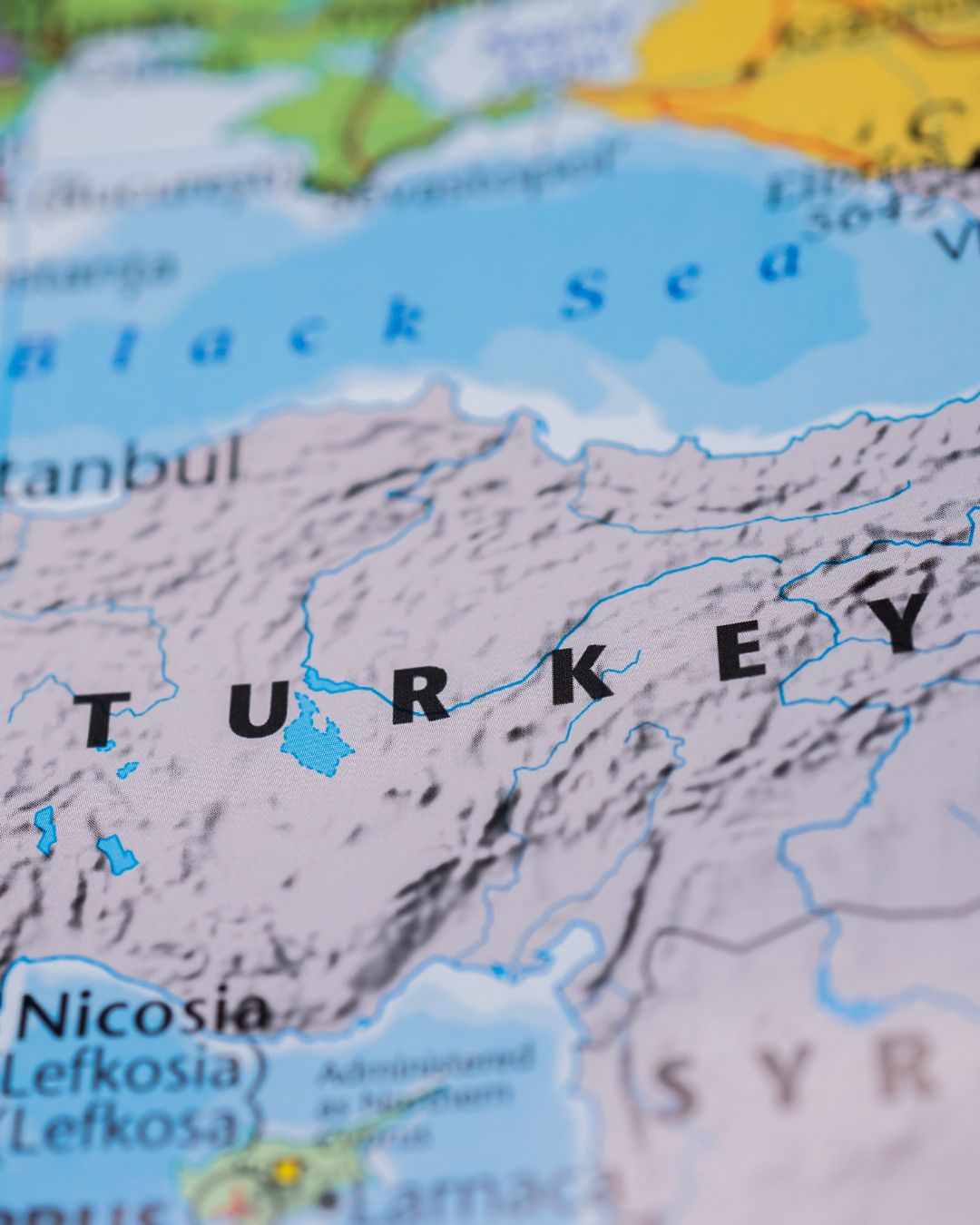
Turkey occupies a unique place in coffee history. While coffee is not grown there, the country played a central role in how coffee was prepared, shared, and woven into daily life. For centuries, Turkish coffee culture emphasized hospitality, conversation, and ritual, influences that still resonate today.

Coffee reached the Ottoman Empire in the mid-16th century, likely traveling from Yemen through trade routes into Istanbul. By the 1550s, coffeehouses were opening in the city, quickly becoming popular gathering spaces.

These early coffeehouses served as places for conversation, storytelling, music, and discussion. Coffee was prepared slowly and shred intentionally, helping establish its role as a social beverage rather than simply a source of energy.

What we now call Turkish coffee refers to a brewing method rather than a coffee origin. Finely ground coffee is simmered in water, traditionally in a small pot called a cezve, and served unfiltered. This method produces a rich, concentrated cup with foam on top and grounds settled at the bottom. 

The preparation emphasizes patience and attention, with coffee brewed slowly rather than quickly. This approach shaped how coffee was experienced in homes and public spaces across the region.

Coffeehouses in the Ottoman Empire were among the earliest known public cafés. They played an important cultural role, sometimes even drawing concern from authorities due to their popularity as places of discussion and social organization.

Over time, coffee became firmly embedded in daily life, used to welcome guests and mark social occasions. Offering coffee became a symbol of hospitality, a practice that continues in Turkish culture today. 

Turkish coffee culture includes traditions that blend fact and folklore. One well known custom is coffee fortune reading, where the patterns left by coffee grounds are interpreted after drinking. This practice is cultural and symbolic rather than scientific, but it remains a familiar part of coffee tradition in many households.

Another commonly repeated saying translates to: A cup of coffee commits one to forty years of friendship.” While poetic rather than literal, it reflects the importance placed on shared coffee and long-lasting connection.

In 2013, Turkish coffee culture and tradition were recognized by UNESCO as part of the Intangible Cultural Heritage of Humanity. This acknowledgement highlights the social practices, preparation methods, and communal role of coffee in Turkish society.

Turkey’s influence reminds us that coffee’s story isn’t just about where it’s grown, it’s about how it’s shared. Long before espresso machines or modern cafés, Turkish coffee emphasized time, presence, and connection. 

As part of our Around the World in Coffee series, Turkey represents a chapter focused on ritual, hospitality, and the enduring power of coffee to bring people together. 
Shop our full range of organic coffee here. 

Posted on

Around the World in Coffee: Ireland

Around the World in Coffee: Ireland

Exploring the culture, history, and cozy coffee traditions of the Emerald Isle.

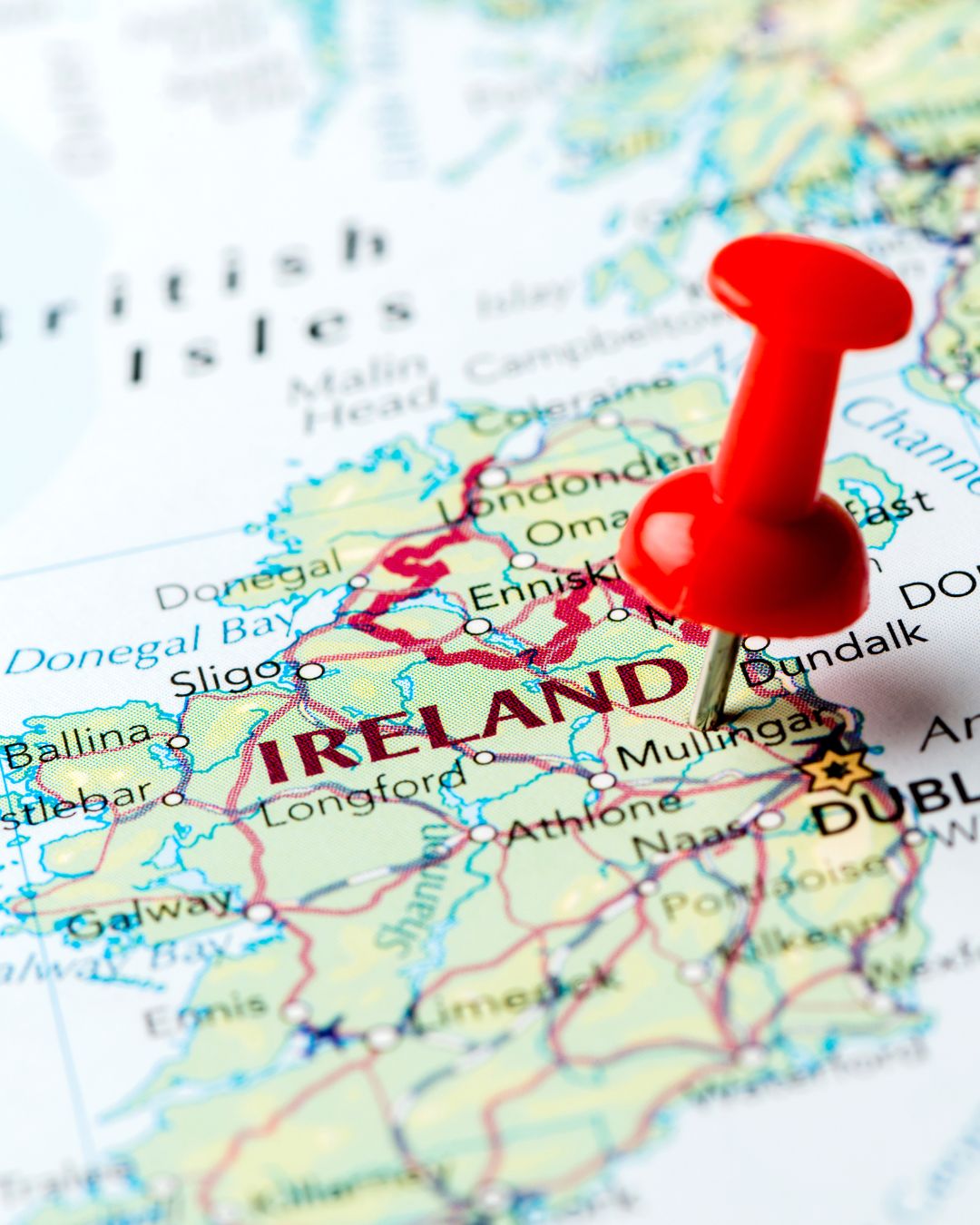
This month, we’re traveling to Ireland, a country known for warm hospitality, rich storytelling traditions, and a growing love for great coffee. 

While tea has historically been Ireland’s most popular hot beverage, coffee has become an essential part of modern Irish life, bringing people together in cafés, kitchens, and pubs across the country.

One of the defining aspects of Irish culture is the importance of gathering. Whether meeting friends, catching up with family, or simply taking a break from the day, sharing time together is deeply valued. 

Coffee has naturally found a place in these moments. 

In cities like Dublin, Cork, and Galway, cafés have become community hubs where people settle in with a warm drink and good conversation. It’s common to see locals lingering over their cups, talking, reading, or simply enjoying a slow moment away from the bustle of the day.

The relaxed approach to coffee reflects something universal: the best cups of coffee are often the ones shared.

No conversation about coffee culture in Ireland would be complete without mentioning the famous Irish coffee.

The drink was first created in the 1940s by chef Joe Sheridan at the airport terminal in Foynes, now home to the Foynes Flying Boat & Maritime Museum. On a cold winter night, a group of travelers arrived tired and chilled after a rough flight. To warm them up, Sheridan served hot coffee mixed with Irish whiskey, sugar, and topped with a layer of lightly whipped cream.

When asked if the drink was Brazilian coffee, Sheridan famously replied, “No, that’s Irish coffee.”

Today, the drink remains a beloved symbol of Ireland’s warmth and creativity, combining coffee with a touch of comfort and celebration. 

Over the past decade, Ireland has experienced a surge in specialty coffee. Independent cafés and small roasters are helping shape a modern coffee culture that values quality, sourcing, and craft.

Walk through neighborhoods in Dublin today and you’ll find skilled baristas carefully preparing pour overs, dialing in espresso shots, and highlighting the unique flavors of coffees from around the world.

This new wave of coffee culture focuses on:

  • Fresh roasted beans
  • Transparent sourcing
  • Precise brewing methods
  • Thoughtful café spaces designed for connection

It’s a movement that celebrates coffee as more than a drink, it’s an experience.

Ireland’s famously cool and rainy climate makes coffee even more enjoyable. A warm mug can transform a grey morning into something cozy and comforting.

Picture a rainy afternoon in Galway or a quiet morning in the countryside, a steaming cup of coffee, soft conversation nearby, and the sound of rain against the window.

Moments like these are part of what makes coffee culture so special, not just the drink itself, but the feeling it creates. 

Irish coffee culture reminds us that coffee is about more than caffeine. It’s about slowing down, connecting with others, and appreciating the small moments in life.

From the classic warmth of an Irish coffee to the vibrant modern cafés of Dublin, Ireland shows how coffee can bring people together in meaningful ways.

At Camano Island Coffee Roasters, that spirit is something we celebrate every day. Whether you’re enjoying your morning brew at home or sharing a cup with friends, coffee has the power to connect us, no matter where in the world we are. 

So this month, as part of our Around the World in Coffee series, we invite you to brew a cup, settle in, and enjoy it the Irish way, slowly, warmly, and in good company.

Sláinte!

Posted on

Organic Vs Non Organic Coffee: Does it Matter?

Organic Vs Non Organic Coffee: Does it Matter?

When it comes to coffee, taste is what draws most people in. But the way coffee is grown can make a real difference, not only in the cup, but in the health of the soil, the safety of farmworkers, and the long-term sustainability of coffee-growing regions. That’s why organic coffee farming practices matter, and why they’ve been at the core of what we support at Camano Island Coffee Roasters

Organic Coffee Avoids Synthetic Pesticides and Fertilizers

One clear difference between organic and non-organic coffee is the use of chemicals. 

  • Organic coffee is grown without synthetic pesticides, herbicides, and fertilizers
  • Conventional farming permits the use of these chemicals to manage pesticides 

While not all non-organic coffee farms rely heavily on synthetic inputs, organic certification provides a clearly defined and verified standard designed to limit chemical use.

Organic Farming Supports Healthier Soil

Healthy soil is essential for sustainable coffee production. Organic farms typically use:

  • Compost
  • Natural fertilizers
  • Crop diversity 
  • Shade trees and ground cover

These methods help maintain soil structure, reduce erosion, and support nutrient-rich ground. Conventional farms may depend more on synthetic fertilizers, which don’t always support soil health in the same way.

Organic Standards Reduce Chemical Exposure for Farmworkers

Organic certifications prohibits synthetic chemical use. This means workers on organic farms aren’t regularly applying or handling these substances, reducing exposure to synthetic pesticides and chemical drift. 

Organic Practices Help Protect Local Ecosystems

Coffee grows in regions with diverse plant and animal life. Organic growing methods avoid synthetic chemicals, which helps:

  • Keep waterways cleaner
  • Support beneficial insects and pollinators
  • Maintain healthier surrounding vegetation

Many organic farms also use shade grown techniques, which help preserve habitat and reduce the need for clearing forested areas.

Organic Growing Can Influence Flavor

Flavor depends on many factors: origin, altitude, processing, and roasting. But growing conditions matter too. 

Organic farms often rely on slower growth cycles supported by nutrient-rich soil. These natural conditions can contribute to clean, balanced flavors because the coffee cherries mature at a steady, natural pace.

While organic certification doesn’t guarantee a specific flavor, many people find organic coffees have a smooth, clean cup character.

Choosing organic coffee supports farming systems that prioritize soil health, cleaner ecosystems, and safer conditions for workers. It also ensures your coffee is grown without synthetic chemicals, something more and more coffee drinkers. 

At Camano Island Coffee Roasters, we source 100% USDA Certified Organic coffee because we believe great coffee starts with responsible farming. Supporting organic agriculture means supporting healthier land, healthier communities, and a long-term future for the coffee we all enjoy.