Around the World in Coffee: Ireland
Exploring the culture, history, and cozy coffee traditions of the Emerald Isle.
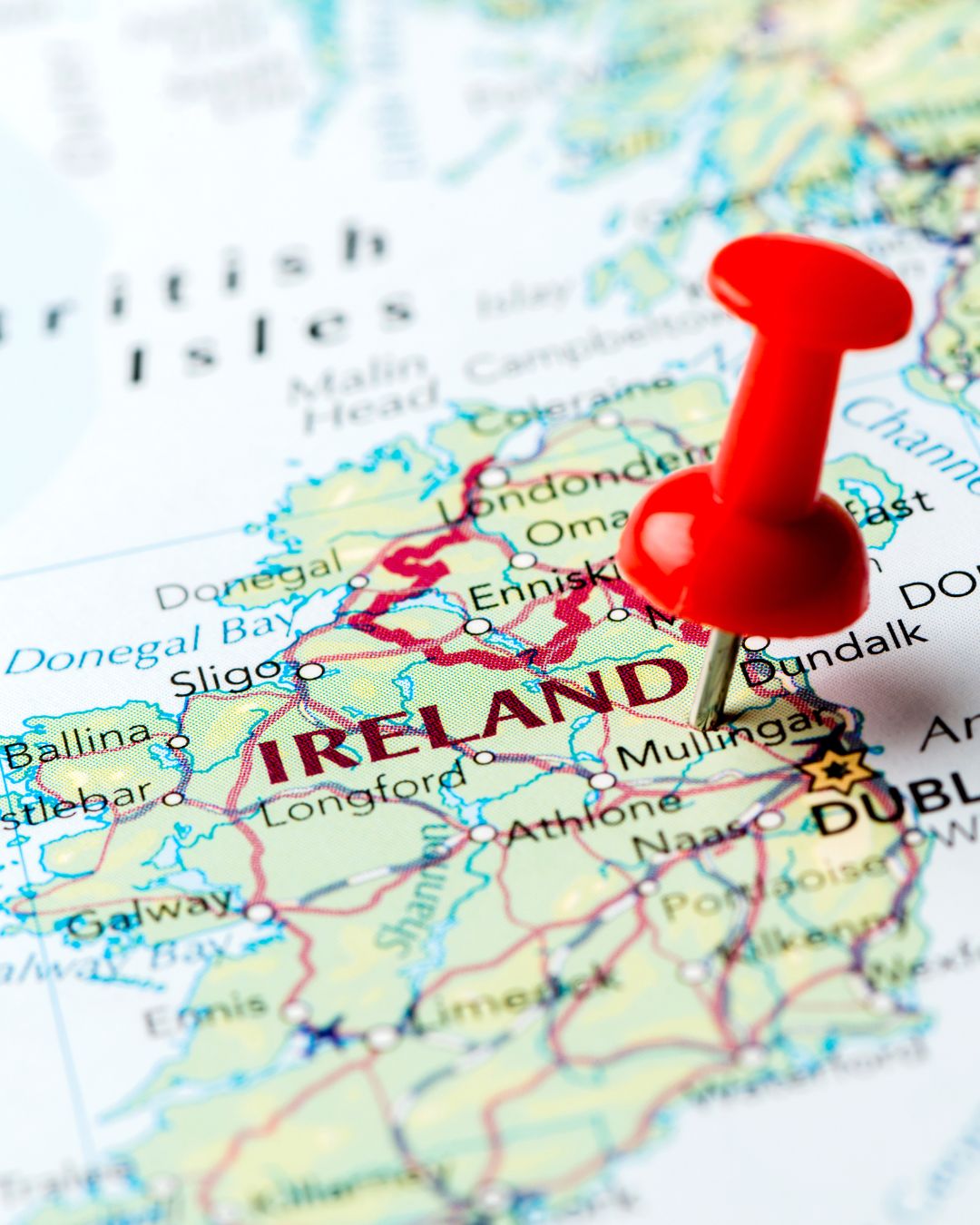
This month, we’re traveling to Ireland, a country known for warm hospitality, rich storytelling traditions, and a growing love for great coffee.
While tea has historically been Ireland’s most popular hot beverage, coffee has become an essential part of modern Irish life, bringing people together in cafés, kitchens, and pubs across the country.
One of the defining aspects of Irish culture is the importance of gathering. Whether meeting friends, catching up with family, or simply taking a break from the day, sharing time together is deeply valued.
Coffee has naturally found a place in these moments.
In cities like Dublin, Cork, and Galway, cafés have become community hubs where people settle in with a warm drink and good conversation. It’s common to see locals lingering over their cups, talking, reading, or simply enjoying a slow moment away from the bustle of the day.
The relaxed approach to coffee reflects something universal: the best cups of coffee are often the ones shared.

No conversation about coffee culture in Ireland would be complete without mentioning the famous Irish coffee.
The drink was first created in the 1940s by chef Joe Sheridan at the airport terminal in Foynes, now home to the Foynes Flying Boat & Maritime Museum. On a cold winter night, a group of travelers arrived tired and chilled after a rough flight. To warm them up, Sheridan served hot coffee mixed with Irish whiskey, sugar, and topped with a layer of lightly whipped cream.
When asked if the drink was Brazilian coffee, Sheridan famously replied, “No, that’s Irish coffee.”
Today, the drink remains a beloved symbol of Ireland’s warmth and creativity, combining coffee with a touch of comfort and celebration.
Over the past decade, Ireland has experienced a surge in specialty coffee. Independent cafés and small roasters are helping shape a modern coffee culture that values quality, sourcing, and craft.
Walk through neighborhoods in Dublin today and you’ll find skilled baristas carefully preparing pour overs, dialing in espresso shots, and highlighting the unique flavors of coffees from around the world.
This new wave of coffee culture focuses on:
- Fresh roasted beans
- Transparent sourcing
- Precise brewing methods
- Thoughtful café spaces designed for connection
It’s a movement that celebrates coffee as more than a drink, it’s an experience.

Ireland’s famously cool and rainy climate makes coffee even more enjoyable. A warm mug can transform a grey morning into something cozy and comforting.
Picture a rainy afternoon in Galway or a quiet morning in the countryside, a steaming cup of coffee, soft conversation nearby, and the sound of rain against the window.
Moments like these are part of what makes coffee culture so special, not just the drink itself, but the feeling it creates.
Irish coffee culture reminds us that coffee is about more than caffeine. It’s about slowing down, connecting with others, and appreciating the small moments in life.
From the classic warmth of an Irish coffee to the vibrant modern cafés of Dublin, Ireland shows how coffee can bring people together in meaningful ways.
At Camano Island Coffee Roasters, that spirit is something we celebrate every day. Whether you’re enjoying your morning brew at home or sharing a cup with friends, coffee has the power to connect us, no matter where in the world we are.
So this month, as part of our Around the World in Coffee series, we invite you to brew a cup, settle in, and enjoy it the Irish way, slowly, warmly, and in good company.
Sláinte!