Posted on

Yubelkis and Ernesto Cárdenas—A Courageous Daughter and Her Determined Father

Yubelkis and Ernesto Cárdenas – A Courageous Daughter and Her Determined Father

El Galope, Nicaragua

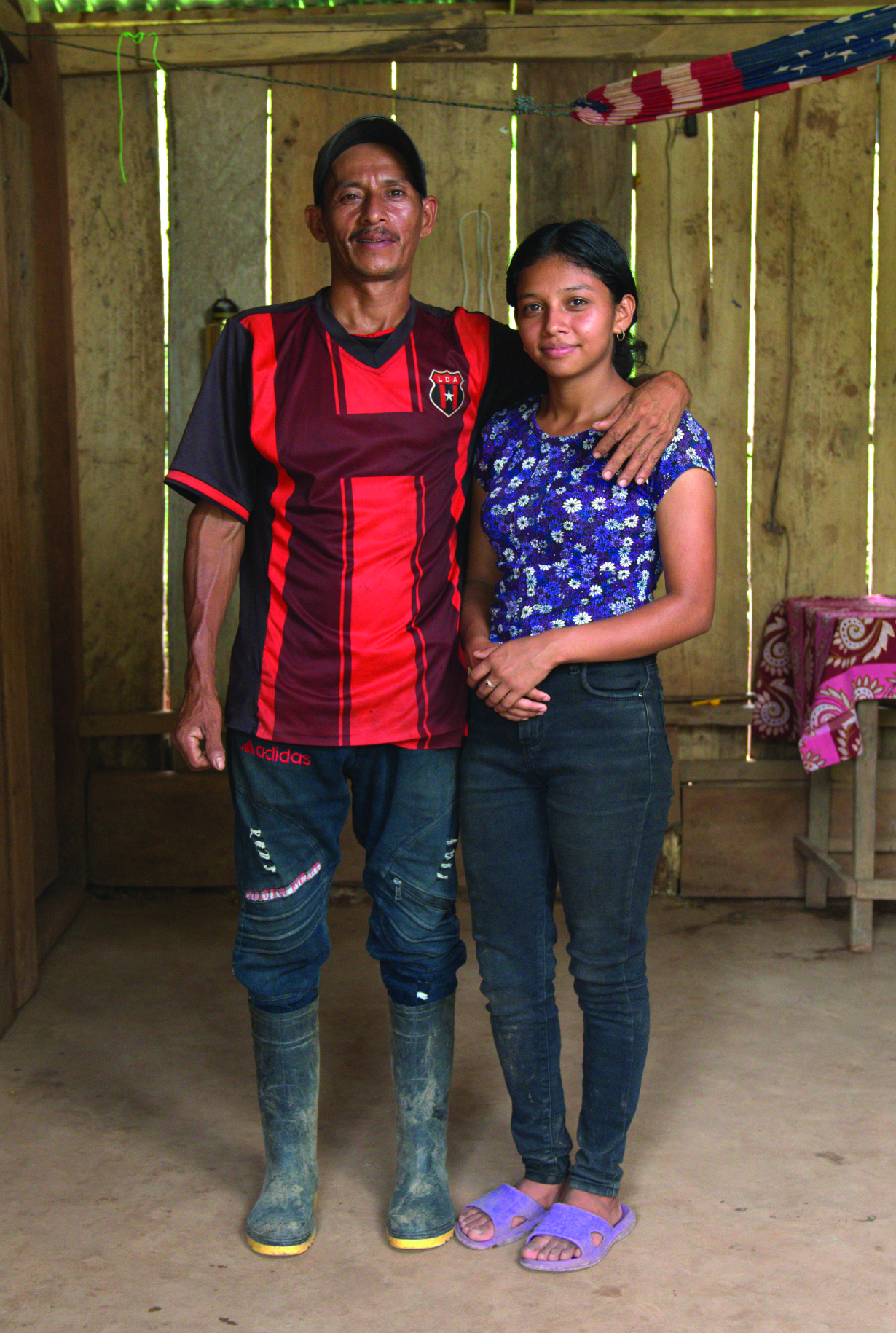
For years, Ernesto Cárdenas dreamed of a better life for his wife, Doribel, and their four children. With limited opportunities in his community, he even considered migrating to Costa Rica in search of work. His long days as a farm laborer left him unable to provide even his family’s most basic needs.

At home, debts from borrowing money to buy corn seed and other inputs weighed heavily. The future felt uncertain.

But everything began to change when Ernesto’s oldest daughter, Yubelkis, heard about Agros. She attended meetings with her aunt, where she listened to the story of Ulises Rigby—a farmer whose partnership with Agros had transformed his family’s life. Inspired, she returned home and convinced her father to join.

A Turning Point – In 2024, Ernesto and his family officially joined the Harvest of Hope Center (HHC) La Bendición. Together, Ernesto and Yubelkis began learning new techniques to grow vegetables in a protected mesh house and through hydroponic systems.

For the first time, they were not just laborers—they were entrepreneurs working their own land. With technical training, they applied modern farming practices that improved their soil, boosted yields, and opened access to new markets.

Their efforts soon bore fruit. Ernesto’s harvest exceeded expectations, strengthening the family’s income and stability.

Not long ago, each family member was surviving on less than one dollar a day. Today, with the chance to work their own land and embrace better farming practices, they have tripled their income. Each person now contributes over three dollars a day, and together the family earns nearly seven dollars in net income.

This transformation means so much more than numbers. It means the family has moved beyond mere survival. They can now put nutritious food on the table, dream bigger dreams, and open new doors of opportunity for their children.

But the transformation didn’t stop there.

Transformation Beyond the Field – Through Agros’ program to improve families’ living conditions, Ernesto and Doribel’s household received a new sanitary floor—giving their children a cleaner, safer, and healthier environment to grow up in.

For the family, this change was more than bricks and mortar. It was dignity restored—a daily reminder that their journey out of poverty is real, and that with each step forward, they are building a more hopeful future for their kids.

Agros’ holistic model has touched every corner of their lives:

  • Health and hygiene training, helping the family meet key wellness indicators.
  • Family life planning, guiding them to set long-term goals for growth and education.

For Ernesto, the change is not only financial—it’s deeply personal:

“Thank God, through this project we’ve been blessed with improvements to our home. We’ve been taught to be more organized and to come together more as a family. Education is something I will carry with me always.”

Looking Ahead – The Cárdenas family is filled with hope and vision:

  • Expand their production and farmland.
  • Support Yubelkis in her dream of studying agronomy at college.
  • Build a safer, more beautiful home.
  • Ensure all their children can pursue professional careers.
  • Live with peace of mind, knowing their family will not lack what they need.

As Ernesto says:

“My dreams are to keep working more closely with Agros, to continue learning and teaching. To expand my land, build a nicer home, give everything to my children, and live with the peace and tranquility that my family lacks nothing.”

From hardship to hope. From landlessness to legacy. The Cárdenas family’s journey is proof that when rural families own land, access financing, and learn sustainable farming, poverty loses its grip.

Posted on

Threads of Resilience: Margarita’s Journey from Survival to Strength

Threads of Resilience: Margarita’s Journey from Survival to Strength

Every Coffee Lover’s Box shipment from Camano Island Coffee Roasters does more than deliver fresh, organic, fairly traded coffee to your doorstep—it helps transform lives. With every order, 2% is given back through our nonprofit partners, Agros and Food 4 Farmers. These organizations work hand in hand with coffee-farming communities, empowering families with the tools, training, and opportunities they need to build brighter futures.

This story, shared through our partner Agros, highlights the incredible resilience of Margarita Ramírez and her community in La Pista, Guatemala—showing how your daily cup of coffee is part of something much bigger.

Nestled in the upper highlands of Guatemala, just a short drive down a dirt road outside Nebaj, Quiché, lies the vibrant community of Ak’ Txumbal, also known as La Pista. This small village is bordered by a 1,200-meter gravel and dirt airstrip, a stark reminder of the region’s turbulent past during the armed conflict of the 1980s and ’90s. Today, La Pista stands as a testament to resilience and hope, embodied by women like Margarita Ramírez de León de López.

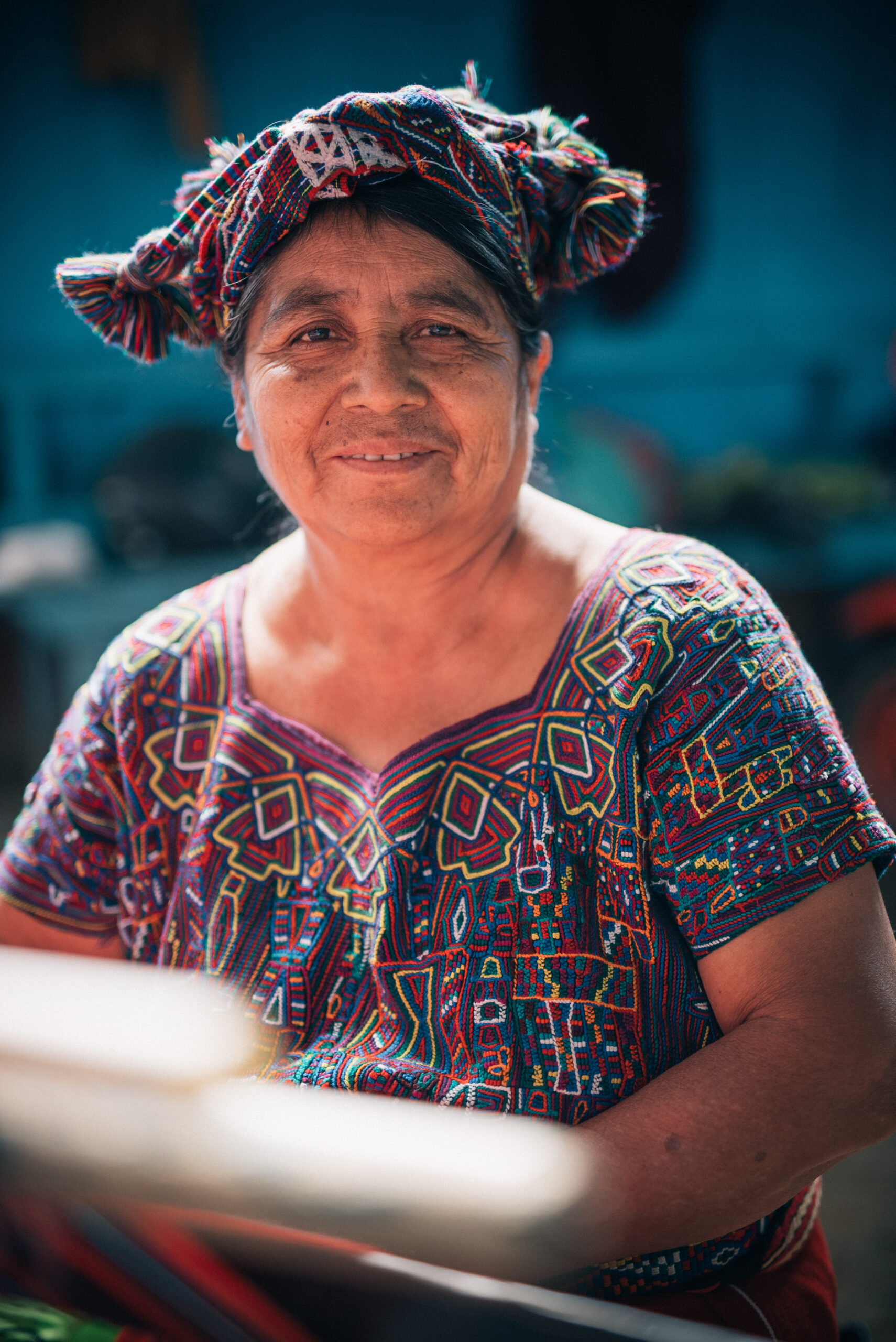
Margarita, now 61, grew up in La Pista, watching her mother weave güipiles—the traditional blouses worn by Indigenous women. Sitting at her mother’s side, Margarita learned each step of the intricate art, a skill that would later become her lifeline.

Life took a harrowing turn when violence swept through her village. As a young mother, Margarita fled into the forest with her firstborn, Juan, in her arms, escaping the chaos and bullets that threatened their lives. For years, they lived in hiding on the slopes of Q’osonib’ Mountain, enduring unimaginable hardships.

“We had no food or clothes,” Margarita recalls. “We used plastic bags on our feet instead of shoes. I would carry my son to the River Xajal to collect water, covering his mouth with my hand to silence his cries and avoid detection by soldiers.”

After the conflict, Margarita returned to the devastated remains of La Pista. Her mother, who had fallen ill and died on the mountain, left behind a legacy Margarita was determined to honor. She initially worked picking coffee, saving enough to buy a small plot of land. There, she began weaving güipiles and rebozos, carrying on her mother’s craft.

Two years ago, Margarita joined the Agros program, receiving financial support and training that transformed her business. She learned to manage credit for the first time, saved investment capital, and expanded her customer base. Her monthly income, once $195, has grown in both savings and clients, allowing her to support her family, including her husband Vicente and two granddaughters, ages 9 and 7.

Margarita is also an active member of her church group, contributing to the community’s social and cultural revival. Her journey from the depths of adversity to becoming a beacon of hope exemplifies the resilience and perseverance of La Pista’s women.

Margarita’s daughter, Juana, learned to weave at her mother’s side, just as Margarita had with her own mother. Together with her sister, Lucía, Juana creates güipiles and rebozos that sell for thousands of quetzales, preserving the cultural identity nearly lost to the conflict. “The güipil, the rebozo, and the cinta are part of our traditional dress,” Juana explains. “By wearing them, we help retain our identity as a people.”

Today, Margarita and her daughters are weaving a vibrant tapestry of hope and faith, transforming their tragic past into a future filled with promise for themselves and their community. Through their artistry and determination, they are central to La Pista’s reemerging identity, embodying the spirit of resilience that defines their people.

These women are part of the La Pista Group, a collective of 12 entrepreneurs who joined Agros programs two years ago and have distinguished themselves as leaders in their field. Their success has been remarkable compared to the standard of the more than 1,000 weaver-entrepreneurs in the area. They have improved the quality of their products, invested in modernizing their production processes, and enhanced their business and financial skills. Their achievements are a testament to what can be accomplished with determination, support, and a shared vision for a better future.

A special thanks to John Harrison, a friend of Agros, for capturing the beautiful photos and sharing the story of Margarita, Lucía, and Juana with us. His work helps bring their inspiring journey to life, allowing us to connect more deeply with their incredible resilience and hope.

Thank you for choosing coffee that not only tastes good, but also does good—supporting women like Margarita and families around the world through nonprofits like Agros..

Posted on

Awaken Your Skin: How Coffee Can Transform Your Skincare Routine

Awaken Your Skin: How Coffee Can Transform Your Skincare Routine

Coffee isn’t just a morning pick-me-up – it’s also a powerhouse for your skin. Packed with antioxidants, caffeine, and essential nutrients, coffee can do wonders for your complexion, whether you drink it or apply it topically.

1. Say Goodbye to Puffiness and Dark Circles – Caffeine is a natural vasoconstrictor, meaning it helps shrink blood vessels. When applied topically, it can reduce swelling and puffiness, especially around the eyes. Coffee-infused eye creams or masks can help brighten tired eyes, giving you a refreshed, awake look. Drinking coffee may also help indirectly by reducing systemic inflammation, supporting overall skin health.

2. Exfoliation for Smooth, Glowing Skin – Coffee grounds are a gentle, natural exfoliant. When used in scrubs, they help remove dead skin cells, unclog pores, and stimulate circulation. This leaves your skin looking smoother, softer, and more radiant. A simple DIY coffee scrub mixed with coconut oil can make your skin glow naturally.

3. Fight Free Radicals and Slow Aging – The antioxidants in coffee, like polyphenols, fight free radicals – the culprits behind premature aging. Topical use provides a concentrated boost for your skin, while drinking coffee adds antioxidants systemically, helping protect your skin from the inside out.

4. Reduce Cellulite and Improve Skin Firmness – Caffeine may temporarily tighten the skin and improve blood flow, making it a popular ingredient in anti-cellulite creams. While drinking coffee doesn’t have the same localized effect, it supports overall circulation and health.

5. Brighten Your Complexion Naturally – Coffee stimulates circulation when applied to the skin, promoting a healthy glow. Drinking coffee may also contribute indirectly by providing antioxidants and reducing inflammation, helping your skin look vibrant from the inside out.

6. Does the Roast Matter? – Yes! The roast can affect the antioxidant and caffeine content of your coffee:

  • Light roast: Slightly more antioxidants and caffeine → potentially better for overall skin health when drinking.
  • Dark roast: Still effective topically and delicious to drink, with slightly fewer antioxidants.

Topically, the difference between light and dark roast is minimal—texture and freshness are more important for scrubs and masks.

DIY Coffee Skincare Tips

  • Coffee Scrub: Mix 2 tablespoons of finely ground coffee with 1 tablespoon coconut oil. Gently massage onto damp skin in circular motions, then rinse.
  • Eye Mask: Combine 1 teaspoon coffee grounds with a small amount of aloe vera gel and apply under the eyes for 10 minutes.
  • Face Mask: Mix coffee with honey for a hydrating, antioxidant-rich mask.

Coffee isn’t just delicious – it’s a natural way to nourish, protect, and revitalize your skin, both inside and out. So next time you brew your morning cup, remember: a little coffee can go a long way in your skincare routine.

⚠️ Disclaimer – This article is for informational purposes only and not a substitute for professional skincare advice. Always patch test before trying new skincare ingredients, and consult a dermatologist if you have sensitive skin or specific concerns.

Posted on

From Latte to Blend: Understanding Coffee’s Unique Vocabulary

From Latte to Blend: Understanding Coffee’s Unique Vocabulary

Coffee vocabulary can be confusing, even for everyday drinkers. Espresso vs. latte, roast vs. blend, cupping vs. tasting – it’s easy to mix things up. Luckily, getting a handle on the basics is easier than you think, and it makes your coffee experience even richer.

Espresso (not Expresso)

This one trips up a lot of people. The little shot of concentrated coffee is called espresso—with an “s.” It comes from the Italian word for “pressed out,” describing how hot water is forced through finely ground beans. Whether you pronounce it with an “x” or not, your barista knows what you mean—but now you know the story behind the word.

Coffee’s Version of a Sommelier

Wine has sommeliers. Coffee has Q Graders—sometimes casually called “coffee sommeliers.” These are trained tasters who evaluate coffee quality, aromas, and flavors with incredible precision. They help roasters and importers source the best beans, and their work shapes much of what ends up in your cup.

Tasting vs. Cupping

Wine experts taste. Coffee experts cup.
Cupping is a formal process for evaluating coffee. Multiple small bowls of coffee are brewed, then tasters slurp loudly (yes, it’s supposed to sound dramatic!) to spread the liquid across the palate and pick up subtle flavors. It may look odd, but it’s the gold standard for discovering what makes a coffee unique.

Latte vs. Caffè Latte

A “latte” is actually short for caffè latte, which means “coffee with milk” in Italian. In Italy, asking for a “latte” might just get you a glass of milk. Outside Italy, though, the shorthand stuck, and now “latte” universally means espresso + steamed milk.

Roast vs. Blend

These two words get mixed up a lot:

  • Roast = how the beans were roasted (light, medium, dark).
  • Blend = beans from different origins combined to create a balanced flavor 

So whether you’re ordering an espresso (not expresso 😉), or casually dropping the word “cupping” into conversation, you’ve officially leveled up your coffee vocab. Next stop: impressing your friends at brunch with your new coffee knowledge—no latte art required.

Posted on

Why the Right Amount of Coffee is Good for You

Why the Right Amount of Coffee is Good for You

Coffee is one of the world’s most beloved beverages, fueling mornings, boosting work productivity, and offering a comforting ritual in daily life. But beyond its rich aroma and energizing effects, research increasingly shows that drinking the right amount of coffee can actually be good for your health.

1. Boosts Mental Alertness and Focus

Caffeine, the main active ingredient in coffee, is a natural stimulant that improves brain function. Moderate coffee consumption can enhance focus, alertness, and even short-term memory. This is why a morning cup often feels like a jumpstart for the mind.

2. Supports Heart Health

Contrary to old myths, studies now suggest that moderate coffee intake—about 3–4 cups per day—is associated with a lower risk of heart disease. Antioxidants in coffee, such as polyphenols, may help reduce inflammation and protect blood vessels.

3. May Protect Against Neurodegenerative Diseases

Regular coffee consumption has been linked to a lower risk of Parkinson’s and Alzheimer’s disease. The caffeine and antioxidants work together to protect brain cells and reduce the buildup of harmful proteins.

4. Helps You Burn Fat and Boost Metabolism

Caffeine can increase your metabolic rate and enhance fat burning in the short term. For those who enjoy coffee before exercise, it can provide a natural energy boost and improve physical performance.

5. Supports Liver Health

The liver benefits from moderate coffee consumption, too. Research shows that drinking coffee may reduce the risk of liver diseases, including fatty liver and cirrhosis.

6. Enhances Mood

Coffee has mood-boosting properties thanks to caffeine’s ability to stimulate neurotransmitters like dopamine and serotonin. Regular moderate intake can help reduce the risk of depression.

The Key: Moderation

While coffee has many health benefits, too much caffeine can lead to restlessness, anxiety, or digestive issues. Most research points to 3–4 cups per day as a sweet spot for reaping the positive effects without overdoing it.

When enjoyed in moderation, coffee isn’t just a comforting daily ritual—it’s a beverage that can support mental clarity, heart and liver health, metabolism, and mood. So go ahead, savor that perfect cup—it might just be doing your body good.

Posted on

Organic Sumatra Dark Roast: A Coffee Lover’s Delight

Organic Sumatra Dark Roast: A Coffee Lover’s Delight

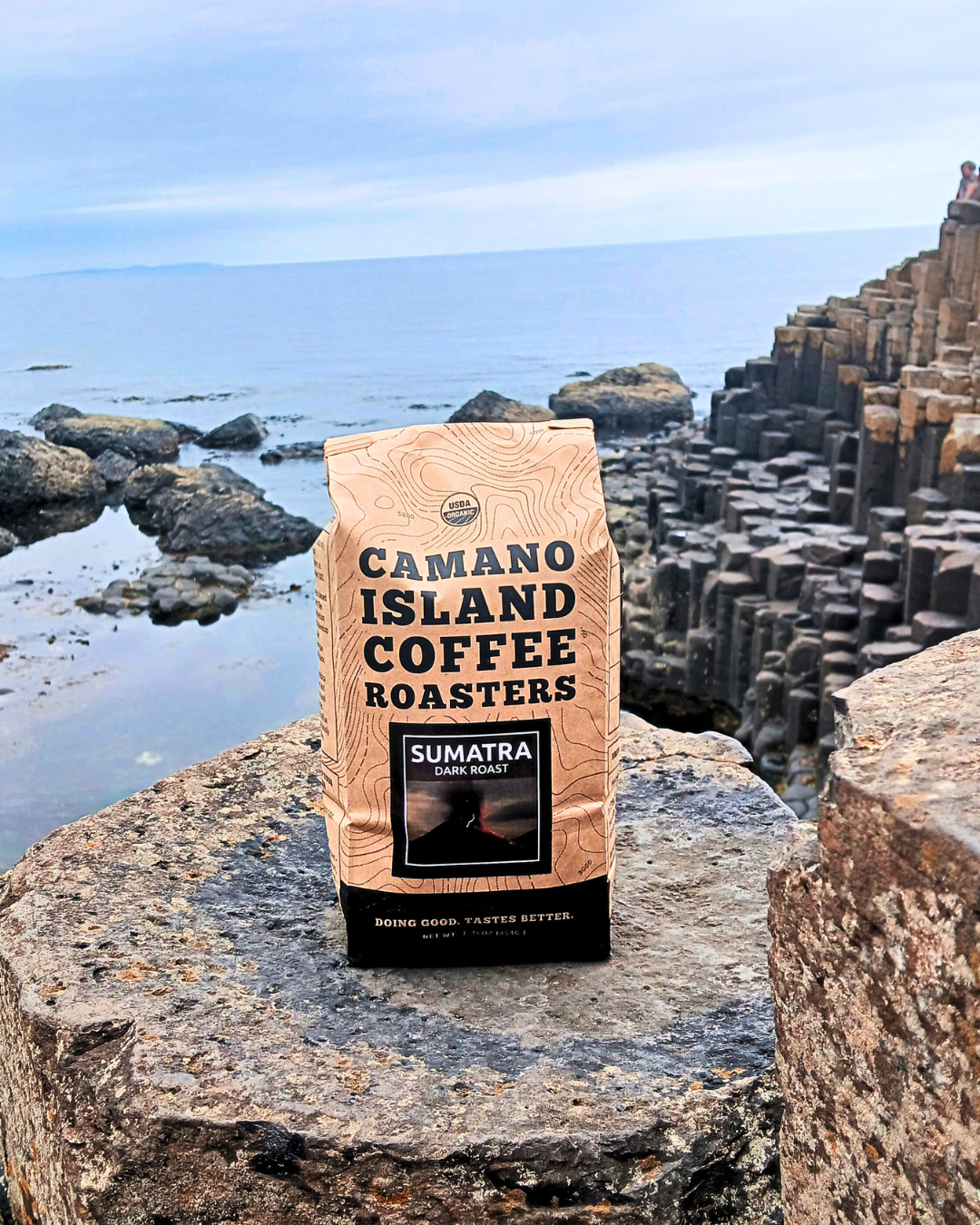
At Camano Island Coffee Roasters, we take pride in sourcing exceptional coffees from around the world. Our Organic Sumatra Dark Roast is a standout choice for coffee enthusiasts seeking depth, complexity, and a truly indulgent experience.

Aroma and Flavor Profile

From the moment you open the bag, the smoky aroma of Sumatra Dark Roast invites you in. Its flavor is rich and layered, featuring caramel sweetness, dried apricot notes, and subtle nutty undertones. This full-bodied, syrupy texture ensures each sip is smooth, lingering with a gentle sweetness that coffee lovers will appreciate.

Why Choose Sumatra Coffee

Sumatra is renowned for its distinctive, full-bodied coffee and low-key, vibrant acidity. The nutty undertones enhance the coffee’s natural richness, making it an ideal choice for anyone looking for a high-quality dark roast. Its complexity makes it perfect for a morning pick-me-up, an afternoon treat, or even as a dessert coffee.

Brewing Tips for the Perfect Cup

To fully enjoy the Sumatra Dark Roast, try brewing it using your preferred method:
● Drip or pour-over: Highlights the sweet and nutty notes
● French press: Brings out the full body and depth
● Iced or dessert coffee: Mix with chocolate or cinnamon for an indulgent twist

Experience Sumatra with Camano Island Coffee Roasters

Our Organic Sumatra Dark Roast is more than just coffee, it’s a sensory experience. With its rich flavor, full body, and complex aroma, it’s the perfect cup to savor any time of day.

Have you tried our Sumatra Dark Roast yet?

Posted on

Not Just Caffeine: The Science and Soul of Great-Tasting Coffee

Not Just Caffeine: The Science and Soul of Great-Tasting Coffee

Your morning coffee is more than just a caffeine boost – it’s a story of climate, soil, farming, and craftsmanship. Just like fine wine, every cup carries the distinct fingerprint of where and how it’s grown.

Shade-Grown Coffee: Why It Matters

All our coffee is shade-grown. Here’s why that’s important:

  • Better flavor: Growing under the canopy of larger trees slows bean development, producing smoother, more complex notes.
  • Environmental impact: Shade farming protects ecosystems, supports biodiversity, and reduces the need for chemicals – better for the planet, better for your cup.

Climate Shapes Character

Stable temperate climates allow beans to ripen evenly and develop rich flavors. Climate change threatens this balance, making shade-grown, sustainably farmed coffee more important than ever. At Camano Island Coffee, all our coffee is 100% organic, fairly traded, and shade-grown.

From Farm to Cup

  • Roasting: Lighter roasts highlight terroir and bean character; darker roasts emphasize boldness but mute subtleties.
  • Brewing: Fresh grinding, clean equipment, and precise technique are essential.
  • Tasting: Notes like “chocolate” or “blueberry” are guides, not rules. Your palate is the ultimate authority.

It’s Not Just the Bean

  • Psychology matters: Coffee often tastes better at home, in your favorite mug, because comfort and routine enhance flavor.
  • The cup counts: Porcelain or glass preserves flavor best—plastic or stainless steel can alter taste.

Exploring Origins & Flavor Profiles

Each coffee-growing region contributes its own unique taste. Here’s a quick guide to Camano Island Coffee’s origins:

Honduras – High-altitude beans with caramel and molasses notes. Farmers often grow banana trees for shade, maximizing flavor while supporting sustainable practices.

Brazil – Soft, bittersweet, with caramelized, nutty flavor and pleasantly low acidity—perfect for those who enjoy a smooth cup.

Peru – Light-bodied and effortlessly drinkable, Peruvian coffee is perfect year-round—comforting on a crisp winter morning or refreshing over ice on a hot summer day.

New Guinea – Cultivated from Blue Mountain seeds in the 1930s, this coffee is rich, full-bodied, and chocolatey—a unique alternative for adventurous coffee lovers.

Guatemala – Through our partnership with the Agros Foundation, farmers access low- or no-interest land loans. Every cup supports long-term sustainability, giving families control over their land, production, and coffee quality.

Sumatra – Using the wet hulling method, Sumatran beans rest with their pulp for 24 hours before drying to ~30% moisture. The result is full-bodied, aromatic, and sweet—a connoisseur’s delight.

Ethiopia – The stars of our African Reserve. Medium- to full-bodied with notes of blueberry pancakes and maple syrup, perfect with dessert or for anyone who loves bold, flavorful coffee.

Final Sip

Every cup is a collaboration between land, farmer, roaster, and you. Slow down, sip deeply, and savor the unique story your coffee is telling.

Posted on

Shade Grown vs. Sun Grown Coffee: Why It Matters For Your Cup

Shade Grown vs. Sun Grown Coffee: Why It Matters For Your Cup

When you’re sipping your morning coffee, you might not think about whether the beans were grown under the warm sun or beneath a leafy canopy. But the way coffee is grown plays a huge role in its flavor, quality, and impact on the planet. 

At Camano Island Coffee Roasters, we choose shade grown coffee – and here’s why that matters. 

What Is Sun Grown Coffee? 

In the 1970s and 80s, many coffee farms switched to sun grown coffee in an effort to produce more beans, faster. Farmers cleared native trees and planted coffee plants in open fields under direct sunlight. 

Pros: 

● Higher yields in the short term

● Faster growing cycles 

Cons 

● Requires more chemical fertilizers and pesticides 

● Leads to soil erosion and nutrient depletion 

● Destroys bird habitats and biodiversity 

● Can produce harsher, more bitter-tasting beans

What Is Shade Grown Coffee? 

Shade grown coffee is cultivated under the natural canopy of taller trees. This method mimics coffee’s natural growing environment (coffee originally evolved as an understory plant in tropical forests). 

Benefits: 

● Better flavor: Beans mature more slowly, developing richer, more complex taste profiles.

● Healthier plants: Natural shade protects from extreme heat and pests, reducing the need for chemicals. 

● Supports wildlife: Preserves habitats for birds, insects, and other species, maintaining a balanced ecosystem. 

● Protects the soil: Tree cover prevents erosion, retains moisture, and enriches the soil with organic matter. 

Why We Choose Shade-Grown 

Every batch of Camano Island Coffee is shade grown and USDA Certified Organic. That means you’re getting coffee that’s not only delicious but also better for the environment, the farmers, and the future of coffee itself. 

It takes more time and care to grow coffee this way – but we believe it’s worth it for: 

● A smoother, more nuanced cup 

● Healthier farming communities 

● A planet that can keep growing coffee for generations to come

When you choose shade grown coffee, you’re doing more than enjoying a great cup – you’re supporting a sustainable, eco-friendly way of farming that benefits both people and the planet. 

So next time you pour yourself a fresh brew, know that those beans were grown the way nature intended: in the shade, slow and steady, with care. 

Posted on

Meet Our Honduras Dark Roast: A Cup Full of Comfort 

Meet Our Honduras Dark Roast: A Cup Full of Comfort 

At Camano Island Coffee Roasters, we believe every origin tells a story and Honduras has one of the richest. Nestled in the high-altitude regions of Central America, Honduras has become one of our most beloved single origin coffees. It’s the kind of coffee you don’t have to think too hard about – you just know it’s going to taste great – it’s like the golden retriever of coffee. Reliable, warm, and always a good idea. 

Rich, smooth, and just a little indulgent, this roast is known for its molasses, brown sugar, and cinnamon notes – the perfect combination for a cup that tastes like a fresh-baked molasses sugar cookie. Whether you’re savoring a quiet morning or powering through an afternoon, this coffee brings cozy comfort with every sip.

Our Honduras Dark Roast is grown in the beautiful Copán region of Honduras, an area famous for its fertile soil and perfect coffee growing climate. These beans are cultivated at high elevations – over 4,000 feet above sea level – which slows the growth process, allowing the coffee cherries to develop deeper, more complex flavors. 

We roast every batch to order, so your coffee is freshly roasted and shipped within 48 hours. That means you’re getting the fullest expression of those molasses, brown sugar, and cinnamon notes – without the staleness you might find in supermarket coffee. 

The dark roast profile brings out a smooth, full-bodied cup with low acidity, making it easy to drink black or with your favorite creamer. It’s a coffee that works just as well for your weekend French press as it does for your weekday drip machine. 

Why you’ll love it: 

● Tastes like a molasses sugar cookie in a cup

● Smooth, full-bodied flavor with warm spice notes 

● Grown in the Copán region at high elevations for complex taste

● Shade-grown, USDA Certified Organic, and ethically sourced 

● Freshly roasted and shipped within 48 hours 

If you’re looking for a coffee that’s rich, comforting, and perfect for any time of day, our Honduras Dark Roast is ready to make your mornings better. 

Posted on

Coffee Can Help Your Garden Grow!

Coffee Can Help Your Garden Grow!

Coffee isn’t just for jumpstarting your day—it can also energize your garden. With mindful use, those leftover grounds can be a powerful, eco-friendly boost for your backyard ecosystem.

Coffee grounds can offer several benefits to your plants and soil. Here’s how:

1. A Natural Fertilizer
Coffee grounds are rich in nitrogen, an essential nutrient that promotes healthy plant growth. When composted, they break down into organic matter that improves soil structure, water retention, and aeration. You can sprinkle them around plants or add them to your compost pile for a natural nutrient boost.

Just remember: proper watering is key. Make sure the soil dries out between waterings to prevent mold from forming.

2. Natural Pest Repellent
Slugs, snails, and even some ants dislike the texture and smell of coffee. Sprinkling used grounds around the base of plants can create a natural barrier, helping protect tender greens like lettuce. As a bonus, it may also deter curious cats from napping—or worse—in your flower beds. However, it is important to note that coffee grounds can be harmful to pets like cats and dogs if digested in large doses. If you have a pet that likes to sample everything, it would be wise to avoid laying coffee grounds directly onto the garden. Bury them in your compost heap instead.

3. Attract Earthworms
Worms love coffee grounds—which is great news, since worms are essential for a healthy garden. They aerate the soil, break down organic material, and boost nutrient availability. Feeding your garden’s underground helpers can improve soil health from the ground up.

4. Sustainable Gardening
Using coffee grounds in your garden reduces kitchen waste and supports eco-friendly gardening practices. It’s a simple way to recycle what you already have and lessen the need for synthetic fertilizers.

Tips for Using Coffee Grounds in the Garden:

  • Don’t overdo it – Coffee grounds are acidic and can compact. Use in moderation and balance with other compost materials.
  • Use only used (brewed) grounds – Fresh grounds are too acidic for most plants.
  • Mix well – Blend grounds into compost or lightly mix into garden soil for best results.
  • Do your research – Not all plants love coffee. Lavender, rosemary, and ferns, for example, prefer more alkaline conditions.

Bottom line? Coffee grounds can be a valuable addition to your gardening routine—just use them wisely, and your plants will thank you!