
Where Does Sumatran Coffee Come From?
When Sumatra is mentioned many people have to think for a minute to realize where it is — if they know at all. Sumatra is located in Indonesia, and is part of the Sunda Islands. In Sanskrit, Sumatra means “Island of Gold,” so it should come as no surprise to you that Sumatran farmers grow truly exceptional, world-class coffee, worth its weight in the mineral from which the island takes its name.
Perfect for Medium to Darker Roasts
Coffee growers in Sumatra use a unique method of processing their coffee known as wet hauling. This means that coffee has a higher than average moisture content when it is bagged and exported to its destination. The process of wet hulling also known as Giling Basah. Growers remove the outer layer of the coffee but leave the wet pulp. The coffee beans are allowed to rest for one day with the pulp on them, before they are washed and dried until all beans have a 30-35% moisture level. This is much higher than coffee from most other regions.
Because of this unique process, the flavor profile of Sumatran coffee is well suited to darker roasts. Those that enjoy the unique coffee of Sumatra describe it as earthy, with very low acidity. Low acid coffee is great for people who find stronger blends too harsh on their stomachs, and with its signature nutty sweetness, Sumatran coffee can be enjoyed both at breakfast, and after dinner. Coffeeresearch.org describes this coffee as one of the heartiest and most complex blends in the world, making it a must for every bean enthusiast.
Sumatra Regions
The coffee growing area of Sumatra is divided into two distinct regions. The District of Lintong Nihuta is known for growing its coffee on a large plateau. Sidikilang is an adjoining region that produces Arabica coffee beans as well, although not in as high a volume as Lintong.
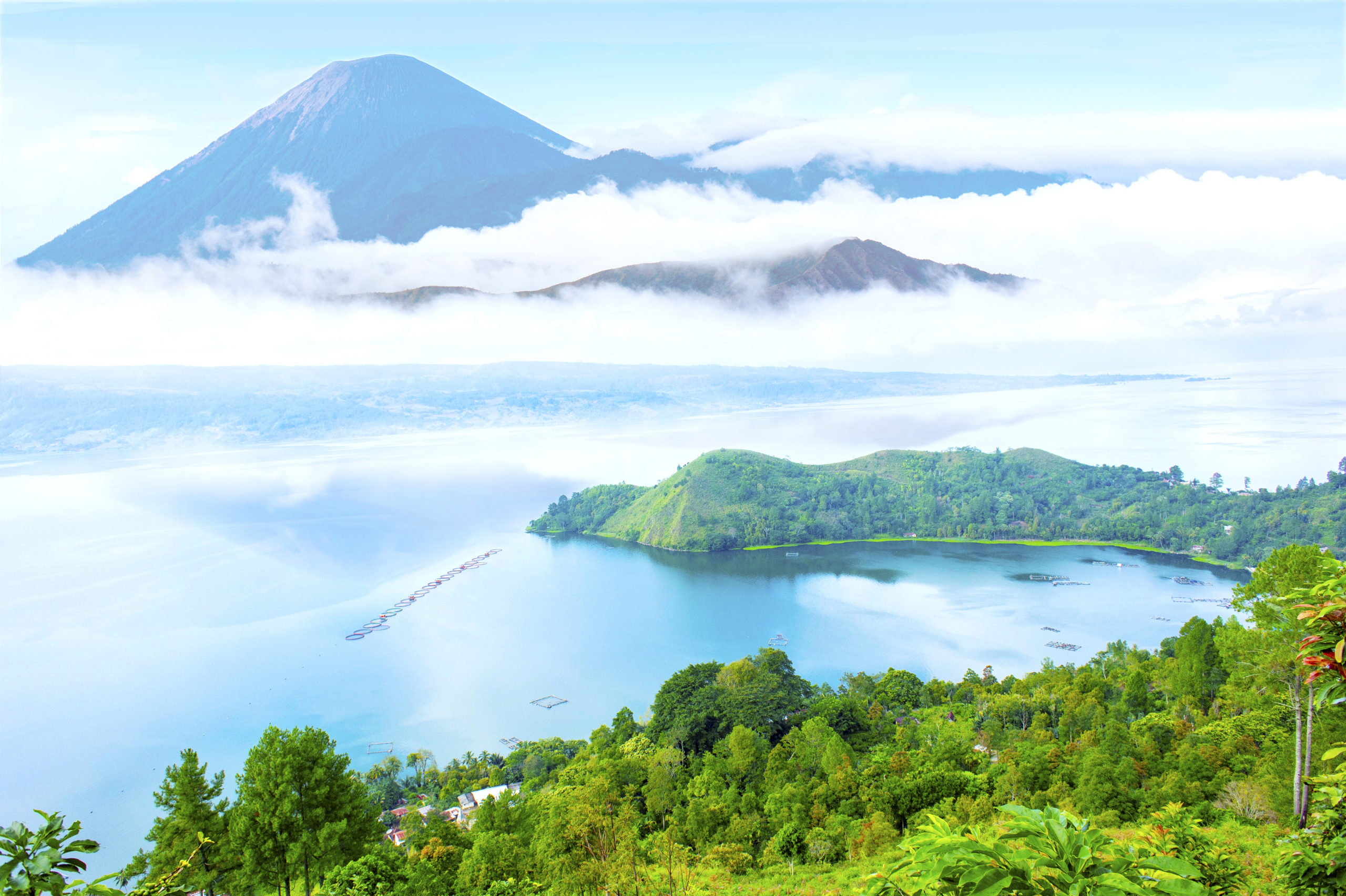
Lintong is home to Lake Toba, a very deep natural lake located in the crater of a super volcano that last erupted about 70,000 years ago. Imagine drinking coffee farmed from 70,000-year-old volcanic ash! Gayo is located near Lake Tawar and produces some superb high elevation, shade-grown coffee, cultivated at heights of an outstanding 3300-4800 feet. Most coffee producers in Gayo are small holders, too. All Sumatran coffee is usually processed on the farm, which shows in the quality of the final product. Larger estates use mechanical means of picking coffee, whereas small holders pick by hand. Hand-picked coffee is considered of higher quality because farmers can afford better attention to detail and sorting practices.
Camano Island Coffee Roasters’ Sumatran coffee is double picked, which means it is hand sorted 3 times to find defects. That is why we are able to say that our roasts are grade 1 quality – the highest quality available.
Adding Sumatran Coffee To Your Home
Camano Island Roasters produces Sumatra coffee in a dark or medium roast. The dark roast is described as rich and complex by coffee aficionados while the medium roast has a distinctly fruity complexity. Sumatra coffee makes a great unique gift for a fellow coffee lover who likes to try new things, or just a gourmet addition to your everyday routine.
Supporting Sustainable Agriculture
Coffee helps those living in rural areas to cultivate a crop that thrives through sustainable agricultural methods. Fair-trade Sumatran coffee creates an economy where workers receive a living wage, under their own steam. Sumatra has many small coffee farms, meaning that farmers are very involved in the production of quality coffee because they can dedicate a lot of attention to a small holding.
When you purchase Sumatran coffees from the Camano Island Coffee Roasters, you are buying one of the best coffees online while supporting sustainable agriculture in Sumatra. All of our coffees are fair trade, meaning that we purchased the beans for a price that is fair to the farmer that worked so hard to get it to you. Camano Island Roasters is always checking in on the origin of the coffees we sell to make sure that we are buying coffee that is produced sustainably and with high quality in mind.
When you try one roast style, you will want to try the others — what can we say? Drinking Sumatran coffee is like drinking liquid gold.

